


Package of 5 Sessions
- Rs.5,999.00/-
Childhood trauma can deeply impact how a person builds and maintains relationships in adulthood. Experiences such as neglect, emotional abuse, physical abuse, or unstable family environments often shape attachment styles, trust issues, communication patterns, and emotional regulation. Adults who experienced trauma may struggle with intimacy, fear of abandonment, low self-esteem, or unhealthy relationship dynamics. Healing is possible through self-awareness, therapy, and supportive relationships that promote emotional safety and growth.
 Dr. Neha Mehta
  11 Mar 2026
  Parenting
  981 Reads
  9 min Read
Childhood is the time when we learn about what love is like. It is the time when we learn to appreciate the importance of trust, security, and emotional bonding. When a child suffers through trauma and neglect, abuse, or is emotionally rejected, it leaves a deep mark. The marks usually show up later in the course.
Many adults don't think about the fact that their relationship problems are rooted in their childhood. The childhood trauma affects on adult relationships can indeed last for a long time. Trauma alters how someone thinks about the importance of trust, love, security, and attachment.
In this article, we'll be able to understand in a simple and straightforward way how childhood trauma affects adult emotions, how it can affect bonding, and what healing options are available.
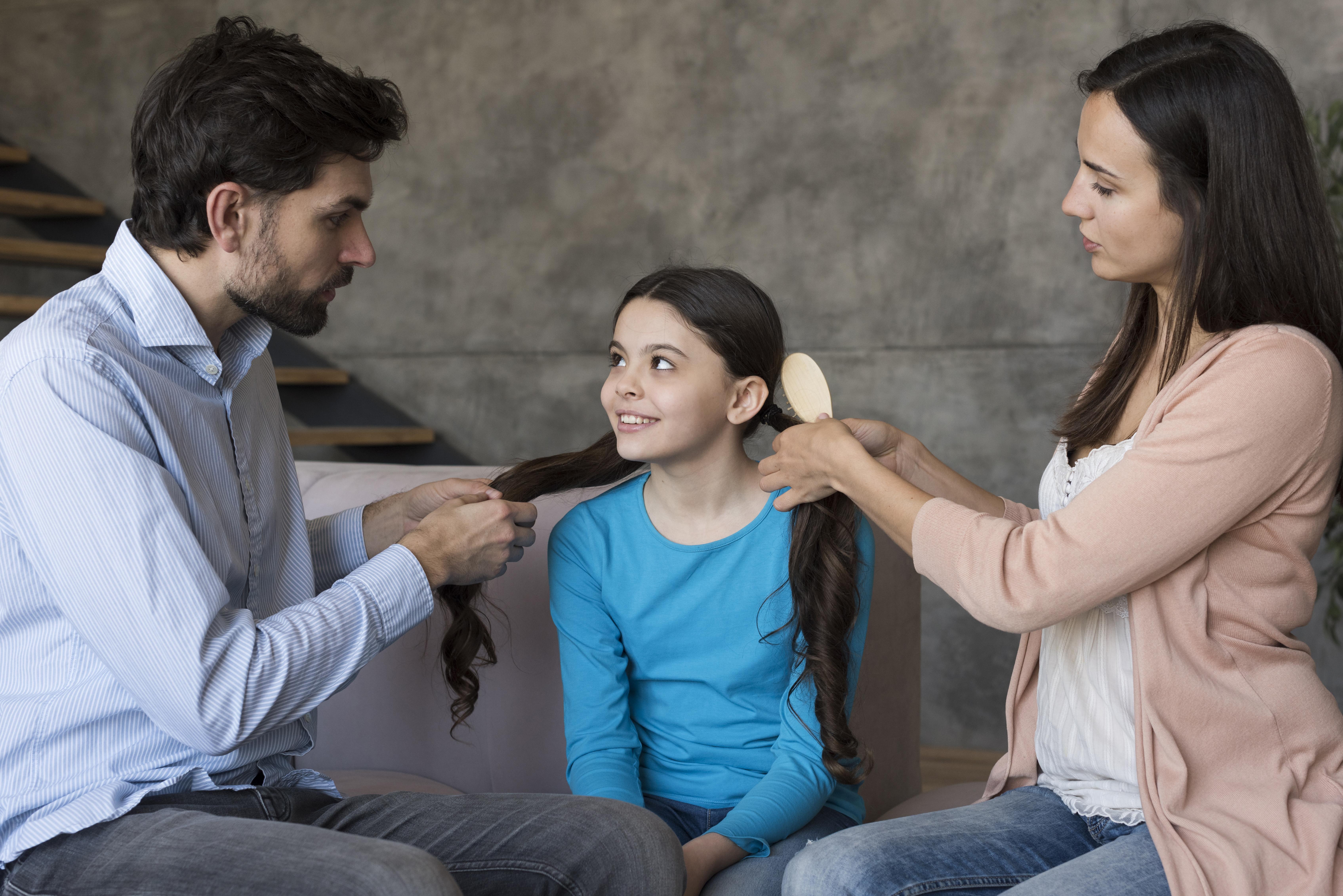
Childhood trauma refers to any distressing or frightening incident that occurs during the early years of childhood. It could be:
Children do not always have the ability to comprehend or process these situations. As opposed to healing, hurt is stored in. This causes childhood trauma affects on adult relationships that persist into adulthood.
If these wounds aren't treated, they affect the way a person conducts themselves in intimate relationships.
The emotional connection we establish with caregivers during the beginning of our childhood plays a crucial role in development. If parents are caring and reliable, children form an enduring bond. If parents are distant, unpredictable, or abusive, the bond can become a source of anxiety. This early experience often influences the Conflict Between Parents and Teenagers later on, as attachment styles developed in childhood shape how young adults communicate, handle emotions, and respond to parental guidance. Understanding these patterns can help families improve relationships and reduce tension during adolescence.
There are generally four attachment types:
People who have experienced trauma frequently experience anxiety, avoidance, or unorganized attachment. These patterns profoundly affect childhood trauma affects on adult relationships.
For instance:
The mind's system of stress. A child raised in fear develops the ability to remain constantly alert. This survival instinct continues into adulthood.
This results in:
This continuous stress response is among the main childhood trauma affects on adult relationships. Even minor conflicts can seem as if they pose a threat to your life.
One of the most significant issues that trauma causes is the issue of trust when it comes to relationships.
If the caregivers of a child weren't reliable, the brain teaches a principle: "People are not safe."
As adults, they could:
It is difficult to trust because the past feels alive.
These trust problems in relationships are not related to the relationship's current partner. They are linked to past emotional memories.
Children who were the victims of neglect or emotional rejection are often brought into adulthood with a heightened fear of being left behind.
In relationships with adults, it could be seen as:
This fear is among the most frequent childhood trauma affects on adult relationships.
The person is not dependent for the sake of it. The inner child of the person is scared of being abandoned and left.
Trauma survivors may react in the opposite direction. Instead of being affixed and avoiding closeness, they choose to stay away from others.
They could:
The reason for this is that intimacy can feel risky. The brain associates intimacy with the feeling of pain.
This is a pattern that illustrates how emotional traumas that were incurred in childhood can hinder healthy bonds.
Read more : How to Co-Parent Effectively After a Separation
Many children who experience trauma become aware of:
These beliefs influence adult relationships. A lack of self-esteem can cause:
Another example of childhood trauma affects on adult relationships.
If someone doesn't feel self-worth, they fight to be loved healthily.
Trauma creates emotional triggers. An incident that is happening now can trigger the brain to recall an unpleasant memory from the past.
For instance:
The reaction might seem more than the reality. It is not a sign of any weakness. It's the nervous system responding to pain that has been there for a long time.
These reactions are a part of the process by which the ways adults relate to each other are affected by trauma from early childhood.
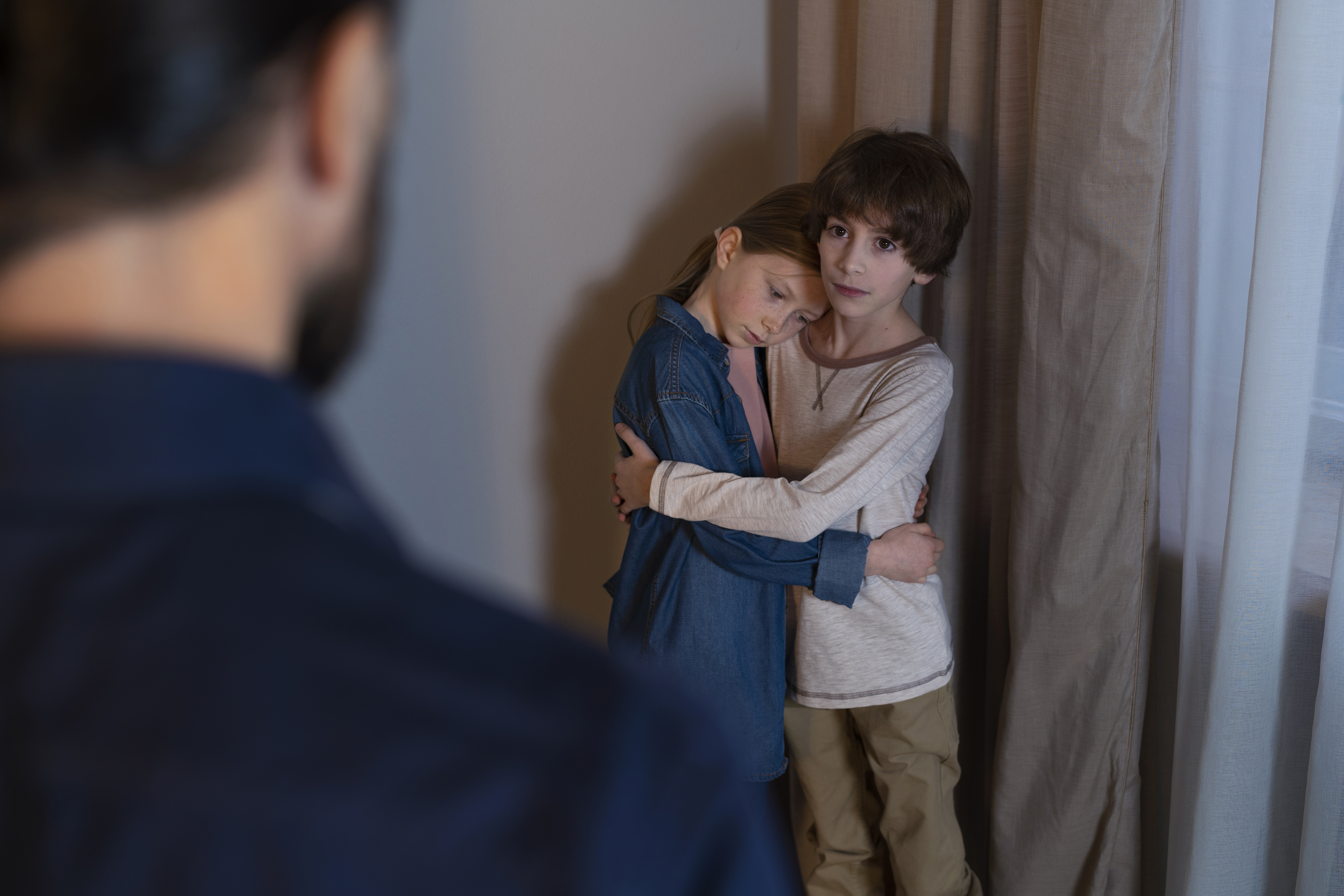
Healthy relationships require open conversations. Trauma survivors typically struggle with this.
They could include:
Unskilled communication leads to a greater likelihood of misunderstandings. This increases the risk of childhood trauma affects on adult relationships.
In the absence of awareness, partners could blame one another instead of knowing the cause.
Sometimes, people repeat something that feels familiar even though it's harmful.
Anyone who grew up with an emotionally distant parent could choose to be emotionally unavailable in their companionship. This isn't conscious. It is normal since it is a relic of childhood.
This is a result of the patterns of relationships from childhood.
The brain favors the familiar in preference to what's healthy. This is the reason traumas are repeated until they heal.
A healthy relationship feels secure as well as stable. Traumas can cause attachment to feel vulnerable.
Common indications include:
This dysfunctional attachment is a good example of how deeply traumas from childhood can affect adult relationships.
The past influences the way that hearts connect to the present.
In relationships that last for a long time, trauma can trigger:
Some people may be confused as to why the same issues keep popping up repeatedly.
Knowing how childhood trauma affects on adult relationships can help couples shift from blame to understanding.
If both parties are aware of the emotional responses to trauma, healing becomes possible.
Yes. It is possible to heal.
The brain's structure can alter. The emotional wounds that are a problem can be healed. But it requires effort and awareness.
practical tips you can apply in everyday life. From boosting confidence are some healthy steps to boost confidence are:
The process of healing is not instantaneous. Each step is important.
After healing from trauma, the strength to have childhood trauma affect adult relationships diminishes.
After healing, individuals can establish a strong bond, even if they didn't experience it in their childhood.
This is a reference to:
After healing from trauma, the strength for childhood trauma to affect adult relationships diminishes. Engaging in Healing From Generational Trauma
allows individuals to break long-standing patterns, build healthier emotional connections, and create more positive experiences in their adult relationships
. By addressing both personal and family-based wounds, people can foster resilience, improve communication, and prevent past trauma from dictating their present and future interactions.

A lot of adults are blamed for their own relationship problems. They believe they are too emotional, distant, or just too complicated.
In reality, the problem is a trauma that has not been resolved.
If someone can see the relationship to their previous lives and their present, the world begins to make sense.
The awareness of shame reduces. It helps replace self-blame with self-compassion.
This awareness reduces the negative effects of childhood trauma affects on adult relationships.
Childhood experiences influence the way we are able to trust, love, and feel connected. If those experiences involve trauma or neglect and abuse, the effects do not fade with time. The Child Trauma on adult relationships may manifest as fears, anxiety, and emotional distance, distrust, or repetitive, harmful patterns.
Trauma does not necessarily mean that someone is broken. It's simply that they acquired techniques for survival that are not useful to them. Through awareness, therapy, and healthy, positive communications, healing can be feasible. It is possible to rebuild solid bonds and feel secure in their love again.
Knowing your past isn't about blaming someone else. It's about liberating your mind from the emotional habits that hold you back. If you can recover your inner child, your adult relationships grow more stable, peaceful, and healthier.
Love is not so much about fears and is more about connecting.
The childhood trauma affects on adult relationships and are often manifested in concerns about trust, fear of being abandoned, emotional reactions, or difficulties communicating. An individual may feel anxious or distant without understanding the reason. These feelings usually stem from emotional traumas that have occurred in the past and not from the present relationship.
Absolutely, attachment styles in adults may change as a result of awareness and therapy. Even if someone is anxious or avoiding attachment because of trauma, they can gradually build a secure bond through positive relationships and emotional work.
People tend to repeat relationships from childhood due to the fact that our brains like things that feel familiar. Even when it's painful, it is normal. In the absence of awareness, the same emotional loop persists until healing takes place.
To address the issues of trust in your relationships, begin by identifying your triggers as well as past experiences. Therapy and open dialogue with your partner, in addition to building trust over time, will aid. It takes time to build trust, but it's achievable when you work hard.
Absolutely feasible. The emotional scars of childhood are not a reason why you are not able to experience healthy love. Through self-growth, healing, and supportive relationships, a lot of people can build stable and secure relationships, despite the trauma of their past.

Online
English, Punjabi, Haryanvi
Couple Counseling, Marital Counselling, LGBTQ, Addiction, Depression

It's 7pm. You've been making decisions since you woke up , wh...
 27 Jun 2026 9 min Read 1.2k Reads
Think about the last time a conversation with someone you love went wrong. ...
26 Jun 2026 9 min Read 1.2k Reads 
Nobody told you your childhood was hard. That's part of the probl...
24 Jun 2026 9 min Read 1.6k Reads 
You can be surrounded by people and still feel completely alone. Most...
23 Jun 2026 9 min Read 896 Reads 
Area Of Expertise : Couple Counseling, Marital Counselling, LGBTQ, Addiction, Depression, Family Counseling, Relationship Counselling, Anger Management, Sexual Wellness, Marriage & Couple Counselling
Book a Session
Better mental health at your convince
