


Package of 5 Sessions
- Rs.5,999.00/-
Discover 5 simple tips to reduce stress and boost mental clarity. Improve focus, stay calm, and strengthen your well-being with easy daily practices.
 Dr. Neha Mehta
  06 Sep 2025
  Anxiety
  1.7k Reads
  4 min Read
 _1757134612.jpg)
In our rapidly developing and competitive world, stress seems almost inevitable. It crawls into close terms, such as family duties, financial challenges, or academic pressure. While a small amount of stress can motivate us to act, prolonged stress steals our energy, weakens our focus, and clouds our mental clarity.
The stimulating part is that stress is not insurmountable. With the proper habits and mindset, you can achieve peace, focus your thoughts, and master challenges more effectively. This manual examines the roots of stress, the importance of mental clarity, and offers strong tips that you can start using today to create balance in your everyday life.
Stress is a natural reaction of your body to pressure or perceived threats. When we face challenges, hormones such as cortisol and adrenaline are released, preparing you for a "fight or flight" response. Although it is helpful in emergencies, staying in this state for too long can harm you mentally and physically.

The sooner you recognize these signs, the faster you can address stress before it escalates.

Mental clarity is the ability to think clearly, concentrate deeply, and make self-confident decisions. Stress disrupts it and leaves the mind stunned, filled, and reactive.
Stress management is not just about avoiding burnout; it is also about protecting your ability to think clearly and remain focused.
The controlled respiratory signals your body to relax and reduce the release of stress hormones.
Use it before presentations, tests, or whenever you feel that the tension is rising.

Movement is a natural stress lightener. The exercise increases endorphins and raises one's mood.
Even a short daily routine can sharpen and lighten your mind.
Stress disrupts sleep, and poor sleep, in turn, increases stress—a vicious cycle.
Focus on 7-9 hours of quiet sleep for better energy and clarity.

What you eat supports your brain and mood.
Avoid: Excessive sugar, processed snacks, and too much caffeine.
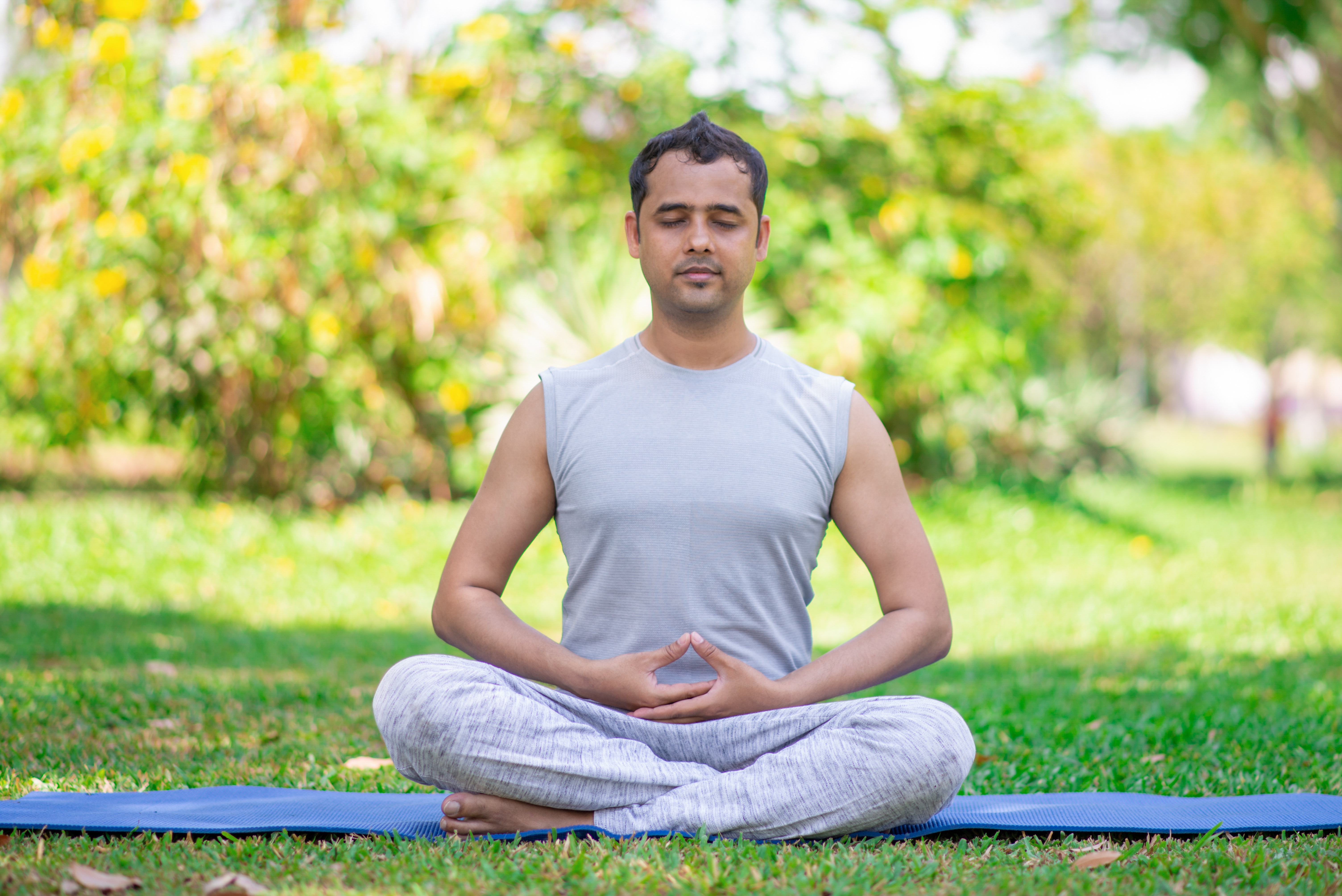
Mindfulness trains your mind to remain present, rather than racing.
Focus on your breathing.
Even 5-10 minutes a day can bring remarkable peace.
Sometimes stress feels too heavy to handle alone. If it begins to impact your relationships, work, or daily routines, it may be time to seek professional support.
_1751963563 (1)_1755754822_1757132982.jpeg)
Stress is inevitable, but there is no duration. By practicing deep breathing, exercising, improving your sleep, eating well, and practicing mindfulness, you can regain control over your thoughts and emotions. Adding habits such as keeping a diary, engaging in hobbies, practicing positive thinking, and finding support strengthens your resistance.
Stress management is about creating balance, protecting your clarity, and supporting peace of mind. The more consistently you use these strategies, the more resistant and focused you become when solving life problems.
Deep breathing, listening to soothing music, stretching, or a short walk can work immediately.
Write down your thoughts, head for fresh air, or use breathing techniques to calm the racing thoughts.
Yes. Omega-3-rich foods, antioxidants, and whole grains promote brain health and reduce anxiety.
Most adults need a quality sleep between 7 and 9 hours to think clearly and remain concentrated.
If stress consistently disrupts your daily life, health, or relationships, consulting a therapist or counselor is a wise step.

Online
English, Punjabi, Haryanvi
Couple Counseling, Marital Counselling, LGBTQ, Addiction, Depression

It's 7pm. You've been making decisions since you woke up , wh...
 27 Jun 2026 4 min Read 1k Reads
Think about the last time a conversation with someone you love went wrong. ...
26 Jun 2026 4 min Read 1k Reads 
Nobody told you your childhood was hard. That's part of the probl...
24 Jun 2026 4 min Read 1.4k Reads 
You can be surrounded by people and still feel completely alone. Most...
23 Jun 2026 4 min Read 822 Reads 
Area Of Expertise : Couple Counseling, Marital Counselling, LGBTQ, Addiction, Depression, Family Counseling, Relationship Counselling, Anger Management, Sexual Wellness, Marriage & Couple Counselling
Book a Session
Better mental health at your convince
