


Package of 5 Sessions
- Rs.5,999.00/-
Anxiety can feel worse if you make these small mistakes. Find out what to avoid and how to stay calm, balanced, and in control every day.
 Dr. Neha Mehta
  25 Jun 2025
  Anxiety
  1.8k Reads
  7 min Read
 _1750839830.jpg)
Anxiety can creep in silently. One day you’re just feeling “a little off,” and before you know it, simple things start feeling overwhelming. What makes it trickier? The small, unnoticed habits that make your anxiety worse without you realizing it.
Sometimes, avoiding the wrong things is just as powerful as doing the right ones. Let’s look at some common everyday mistakes people make while dealing with anxiety—and how you can stop doing them starting today.
Trying to “deal with it alone” is one of the biggest traps. We think we’re being strong by not talking about what’s going on. But the truth? Silence becomes pressure. The more you bottle it up, the more it builds inside like steam in a pressure cooker—until one day, it just explodes. Talking about your thoughts doesn’t make you weak, it makes you wise. Whether it’s a friend, a journal, or a therapist, expressing what’s on your mind gives anxiety less power. It’s not about finding solutions instantly. It’s about not letting your thoughts live rent-free in your head.

You feel your heart racing or get a weird ache, and boom—you’re on Google within seconds. But here’s the problem: Google doesn’t know your personal context. It gives you the worst-case scenario nine out of ten times. What starts as curiosity turns into a spiral of panic. That’s called “cyberchondria,” and it feeds anxiety. Instead of self-diagnosing, write your symptoms down and bring them to a doctor or therapist. Real professionals offer clarity. The internet? It just offers chaos. Limit your Googling and protect your peace.
Sleep is like a mental detox. It helps your brain process thoughts, calm down your nervous system, and reset your mood. But when you skip sleep, your brain doesn’t get a chance to do its healing work. You wake up edgy, foggy, and on edge—which just makes anxiety worse. Late-night scrolling or binge-watching might feel like relaxation, but it actually robs you of real rest. Build a wind-down routine: dim lights, put away screens, and try reading or journaling before bed. Guard your sleep like your mental health depends on it—because it does.
Productivity isn’t the enemy, but overbooking yourself is. When your to-do list has 25 things, and you're juggling work, social life, family, and everything in between, your mind never catches a break. This non-stop hustle builds constant background anxiety. The fix? Learn to pause. Don’t be afraid to cancel, reschedule, or say no. Your calendar should reflect your capacity—not just your ambition. Leave white space in your day. Your brain needs time to breathe, and your peace deserves a permanent slot in your schedule.

Think of movement as medicine for your anxious mind. It doesn’t have to be an intense workout—just 15–30 minutes of walking, stretching, dancing, or yoga can drastically lower your stress hormones. Exercise boosts endorphins, clears your head, and gives you a physical outlet for the inner restlessness anxiety creates. Waiting until you “feel like it” is a trap. Make it a habit, not a decision. The magic isn’t in running a marathon—it’s in showing up consistently for yourself. A little daily movement major emotional benefits.
When we feel anxious, it’s tempting to distract ourselves: scroll endlessly, binge snacks, zone out with shows. These things may offer momentary relief—but they don’t address the root. In fact, they often leave you feeling worse once the distraction ends. It’s like putting a band-aid on a deep cut. Instead, try grounding activities that reconnect you with the present—like deep breathing, going for a mindful walk, or journaling. Real healing isn’t about numbing the emotion; it’s about understanding it. Quick fixes give you escape. What you really need is release.
This belief silently damages your confidence. Society often tells us to “man up,” “stay strong,” or “just chill”—but anxiety doesn’t work like that. Feeling anxious doesn’t make you less capable, less intelligent, or less strong. It makes you human. Strength is admitting something’s off and choosing to face it. When you stop seeing anxiety as a flaw and start seeing it as a signal, your whole perspective shifts. Beating yourself up for being anxious is like blaming your body for feeling pain. Stop judging the signal—start listening to it.
The biggest mistake? Thinking you’ll “just get through it” on your own, forever. You might, but it will take longer, feel harder, and leave more emotional scars. You don’t need to be “falling apart” to seek help. In fact, therapy is strongest when used proactively. Getting support—whether it’s a therapist, coach, or support group—shows you're taking your mind seriously. And sometimes, the first session is the most freeing moment. It doesn’t mean you’re broken. It means you’re brave enough to begin healing before it gets worse.
Dealing with anxiety is tough—but it gets tougher when you unknowingly feed it through small daily mistakes. Most people don’t even realize they’re doing it. That’s why awareness is the first step. You don’t have to fix everything at once. Just start by avoiding these common traps.
Talk when you need to. Rest when your body asks. Move, breathe, say no, ask for help. You’re not alone, and you’re not weak. You’re someone learning how to manage a tough emotion—and that’s something to be proud of.
Yes, many of these everyday habits (like sleep deprivation, over-scheduling, or silence) can trigger or worsen anxiety over time. Fixing them helps reduce the emotional load.
Start by observing your patterns and talking to someone safe. If it continues or worsens, consult a therapist or mental health expert to guide you through the next steps.
No, but it’s one of the best tools. Along with that, lifestyle changes—sleep, exercise, expression, boundaries—play a big role in helping you feel better day by day.
Set a rule: don’t Google anything when anxious. Instead, note down symptoms and bring them up in therapy or with a trusted medical professional who can offer clarity.
Absolutely. Anxiety is often built through small negative habits—so healing it through small positive ones is not only possible, but powerful. Every better choice adds up.
Once you have made the payment, Money will not be refunded in any case. Please make sure before making payments.
Psychologists are highly trained beings to treat mental illness on the other hand counselors are in general therapy roles.
A counsellor helps in common issues of day to day life, A therapist helps in more complex issues, whereas a psychologist is highly trained professional to help you out cope up mental health disorders with behavioural interventions. The time frame will be different after examining your conditions, in case you have severe conditions you will directed to change your therapist or psychologist.
Therapists don't prescribe any kind of medicines on My Fit Brain. However, Psychiatrists on My Fit Brain can prescribe you medicines depending on your situation & your consent is a must in case you don't want to take medications you can tell the respective psychiatrist counselling you.
All, the payment will be made online - All kinds of options are made available for your convience. Once you select the online therapist of your choice, you can follow book an appointment instrutions. Payment will be made on 3rd step in appointment dashboard.

Online
English, Punjabi, Haryanvi
Couple Counseling, Marital Counselling, LGBTQ, Addiction, Depression
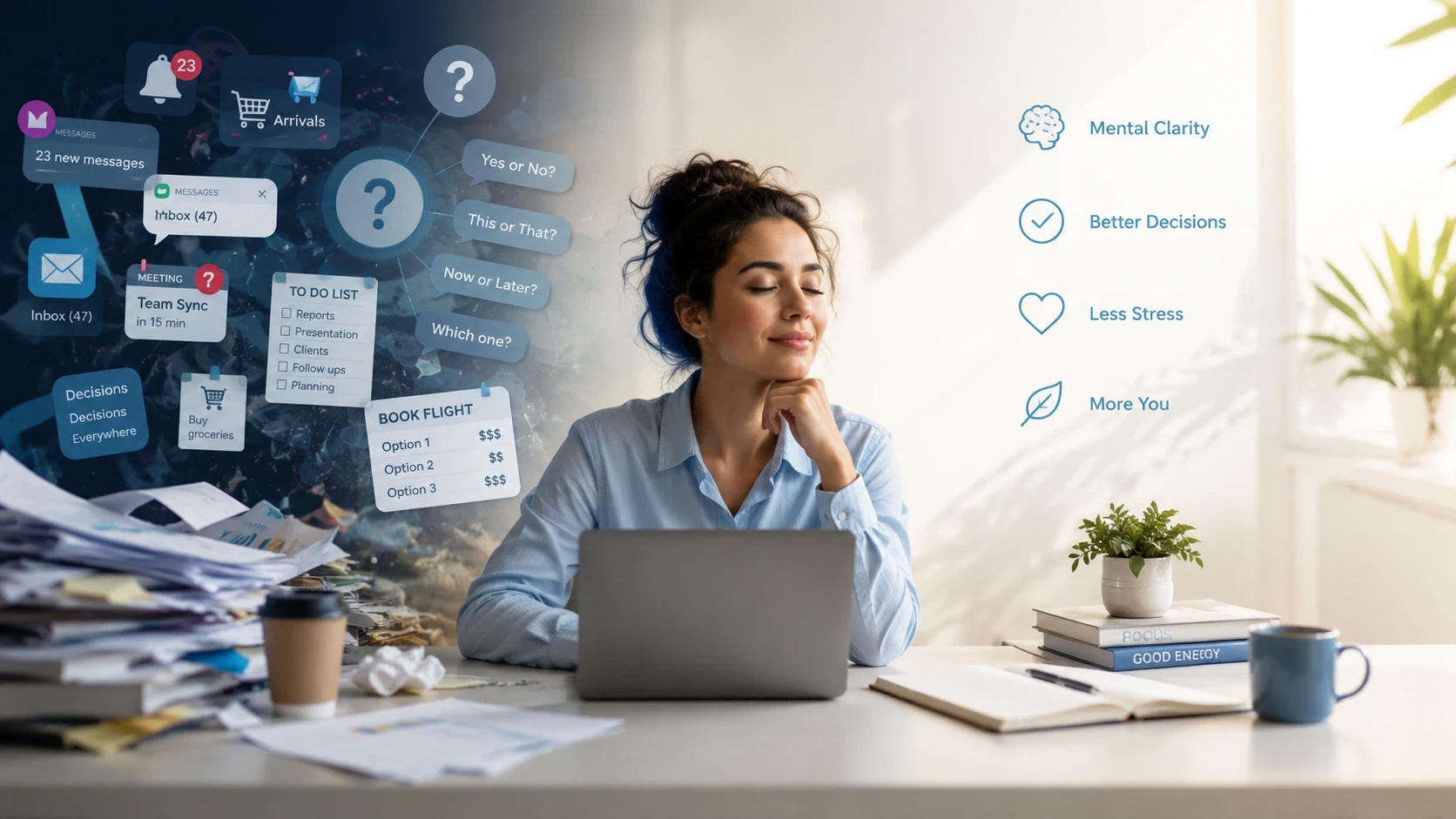
It's 7pm. You've been making decisions since you woke up , wh...
 27 Jun 2026 7 min Read 1.1k Reads
Think about the last time a conversation with someone you love went wrong. ...
26 Jun 2026 7 min Read 1.1k Reads 
Nobody told you your childhood was hard. That's part of the probl...
24 Jun 2026 7 min Read 1.5k Reads 
You can be surrounded by people and still feel completely alone. Most...
23 Jun 2026 7 min Read 874 Reads 
Area Of Expertise : Couple Counseling, Marital Counselling, LGBTQ, Addiction, Depression, Family Counseling, Relationship Counselling, Anger Management, Sexual Wellness, Marriage & Couple Counselling
Book a Session
Better mental health at your convince
