


Package of 5 Sessions
- Rs.5,999.00/-
Learn how stress and sleep quality are connected, how stress affects sleep, and how poor sleep increases stress in simple and easy words.
 Dr. Neha Mehta
  10 Feb 2026
  Depression
  787 Reads
  6 min Read
Sleep is among the most essential needs that the human body has. It allows the mind to rest and heal the body, and the emotions remain in balance. In today's hectic life, a lot of people have trouble sleeping well. One of the main causes of bad sleep is stress.
This article will explain the relationship between stress and sleep quality in a very simple and easy language. It will help you know the impact of stress on sleep, how inadequate sleep causes stress, and how they are linked. Even the most novice of readers can comprehend and read this information without difficulty.
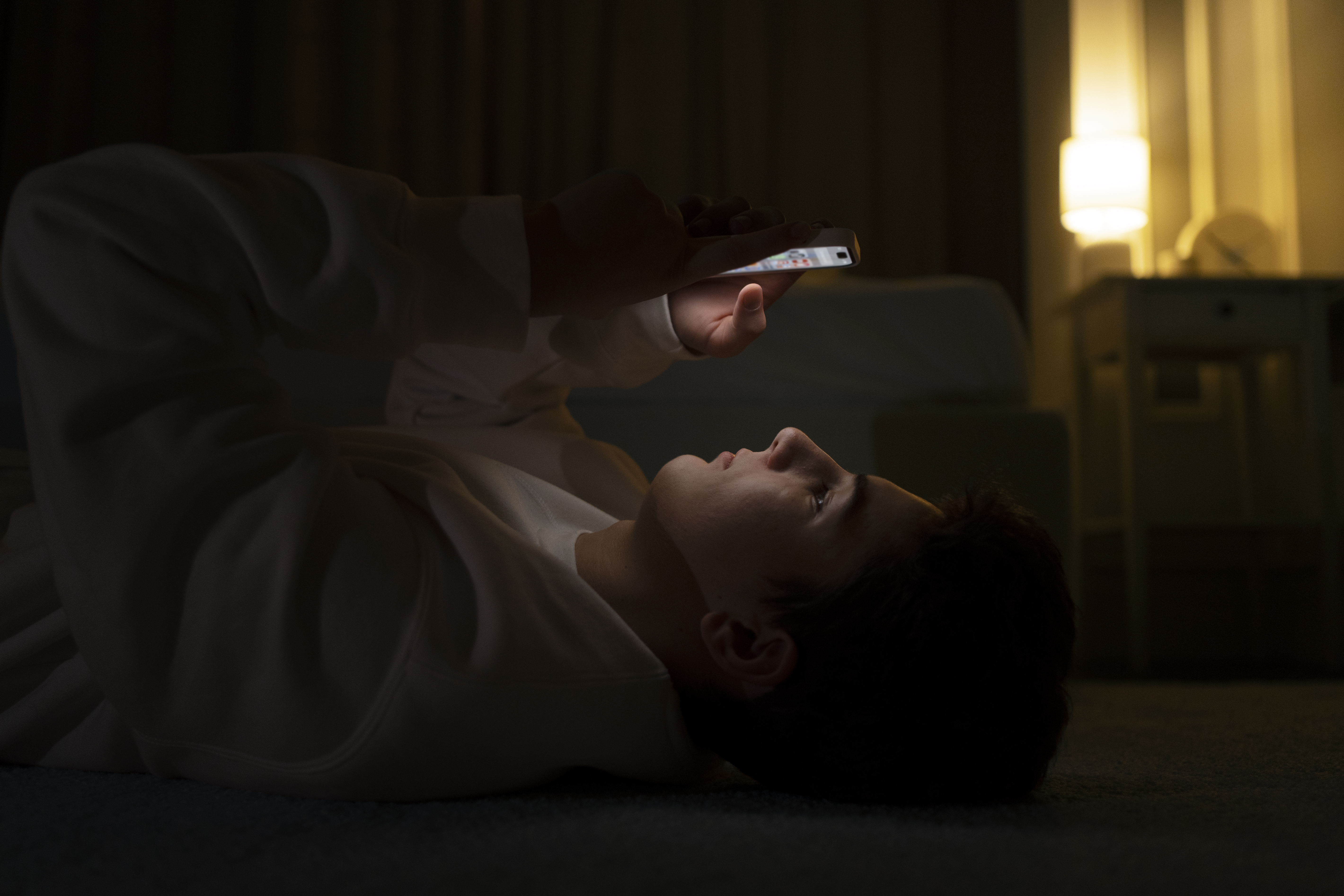
Stress refers to the feeling of tension, stress, or anxiety. It can be triggered by issues with family or work, financial issues, health issues, or even overthinking. Sleep quality refers to how long you sleep, and not only how long you stay asleep.
The link that exists between stress and sleep quality is extremely robust. As stress rises, sleep quality suffers. If sleep is poor, the stress level increases. This leads to a negative cycle.
The brain can sleep to unwind and reset. In the course of sleep, your body repairs itself, and the brain processes emotions. Sleeping well can help you feel refreshed, calm, and focused for the next day.
Sleep deprivation affects mood, energy, mental health, and even emotional control. This is the reason understanding the relationship between stress and sleep quality is crucial to overall well-being.
If a person is under stress and anxious, their mind is constantly active. The body believes there's a danger, and is within "active mode." This can make it difficult to sleep or stay at rest.
Stress is the cause of:
These issues show how stress negatively impacts the quality of sleep.
Stress can trigger cortisol production, often referred to as"the hormone of stress. The high levels of cortisol keep your body alert and well-aware, even at night.
Cortisol levels stay high.
This explains the nebulous relationship between stress and quality of sleep.
The relationship is two-way. Stress levels also increase when you sleep. levels. If you don't sleep well, your mind is more responsive and prone to stress.
Lack of sleep can cause:
This causes a loop in which stress and quality of sleep remain in a state of influence.
Most people experience stress during the night. As the day gets peaceful, the mind starts thinking about things more.
Common thoughts at night include:
This thinking too much can damage sleep issues caused by stress and causes difficulty in falling asleep.
Anxiety is an extreme form of stress. It causes anxiety and fear regardless of a specific cause.
People suffering from anxiety typically have:
This clearly demonstrates the relationship between sleep and stress and the impact of mental health on rest.
Stress from relationships and loneliness or emotional stress can affect sleep. Stress from emotions keeps the heart and mind weighed down.
If the emotions are not resolved:
Balance in your emotions is essential for improving the quality of sleep and reducing stress.
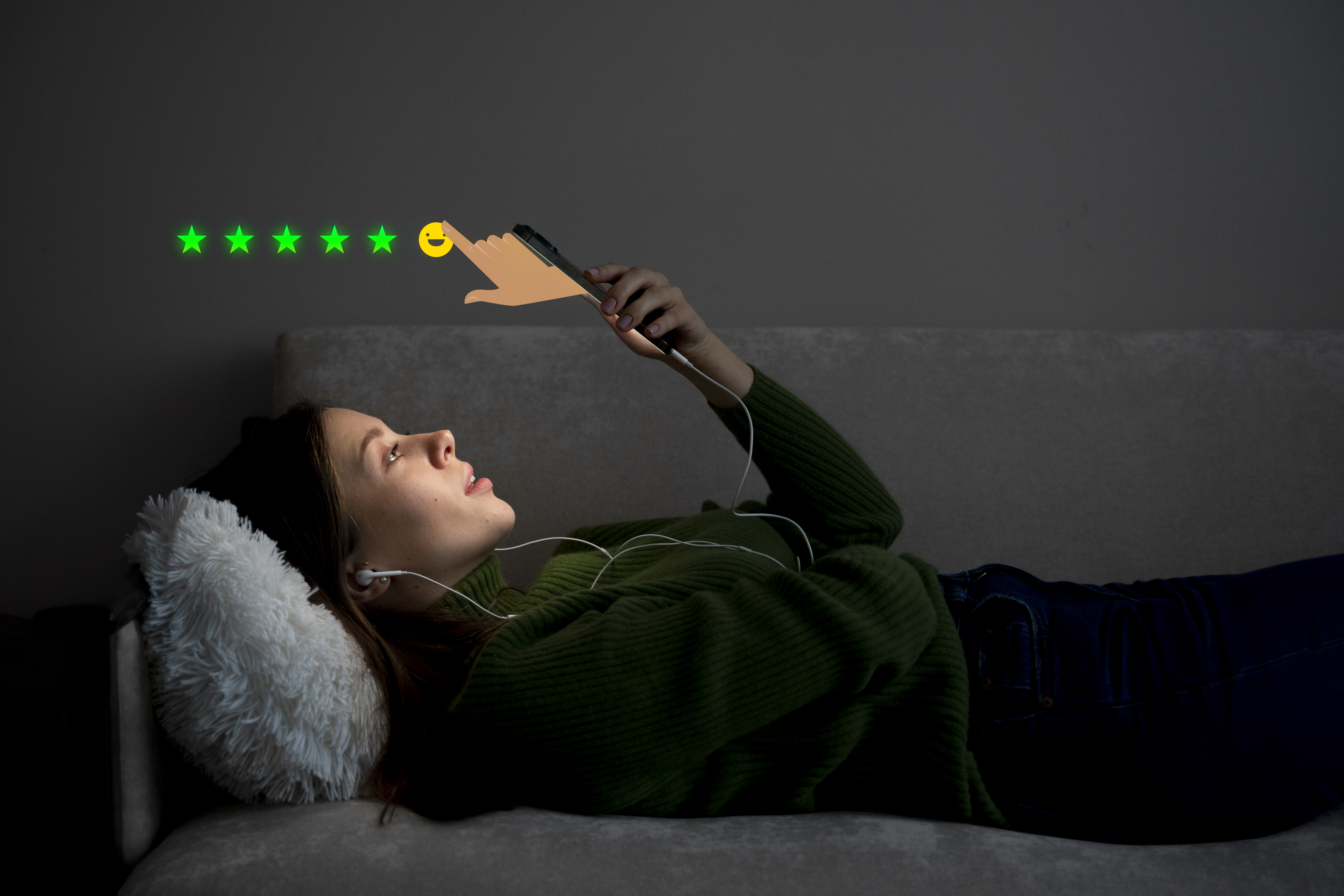
Stress from deadlines, work pressure, lengthy hours, and job uncertainty are all common stress factors. Many people take stress from work all the way to bed.
Stress at work causes:
This lifestyle is detrimental to the quality of sleep as well as stress balance in a major way.
Sleep deprivation and stress can impact the body physically. The body's system shows warning signs if rest is not being achieved.
Common physical symptoms are:
These signs indicate how profoundly stress and the quality of sleep impact the health of a person.
Sleep deprivation is the result of not getting enough time to rest. As time passes, it affects mental health.
Sleep deprivation causes:
This is a good way to understand the effect that stress has on sleeping and mental well-being.
Relaxation aids the body in switching between active and sleep mode. If you are not relaxed, sleep will not occur naturally.
Relaxation helps:
This is vital to end this cycle of sleep and stress.
Small changes in daily routines can enhance sleep quality and decrease stress.
The most helpful practices include:
These habits help to ensure improved sleep and reduce stress naturally.
The body and mind are inextricably linked. If the mind is stressed and exhausted, the body can't relax. If the body is exhausted and stressed, the mind also becomes stressed.
Understanding this connection can help manage stress and improve sleep more efficiently.
Stress reduction allows the body to rest and rest deeply. A calm mind can help you get a better rest naturally.
Stress management can help:
This is yet another proof of the significant connection between sleep quality and stress.
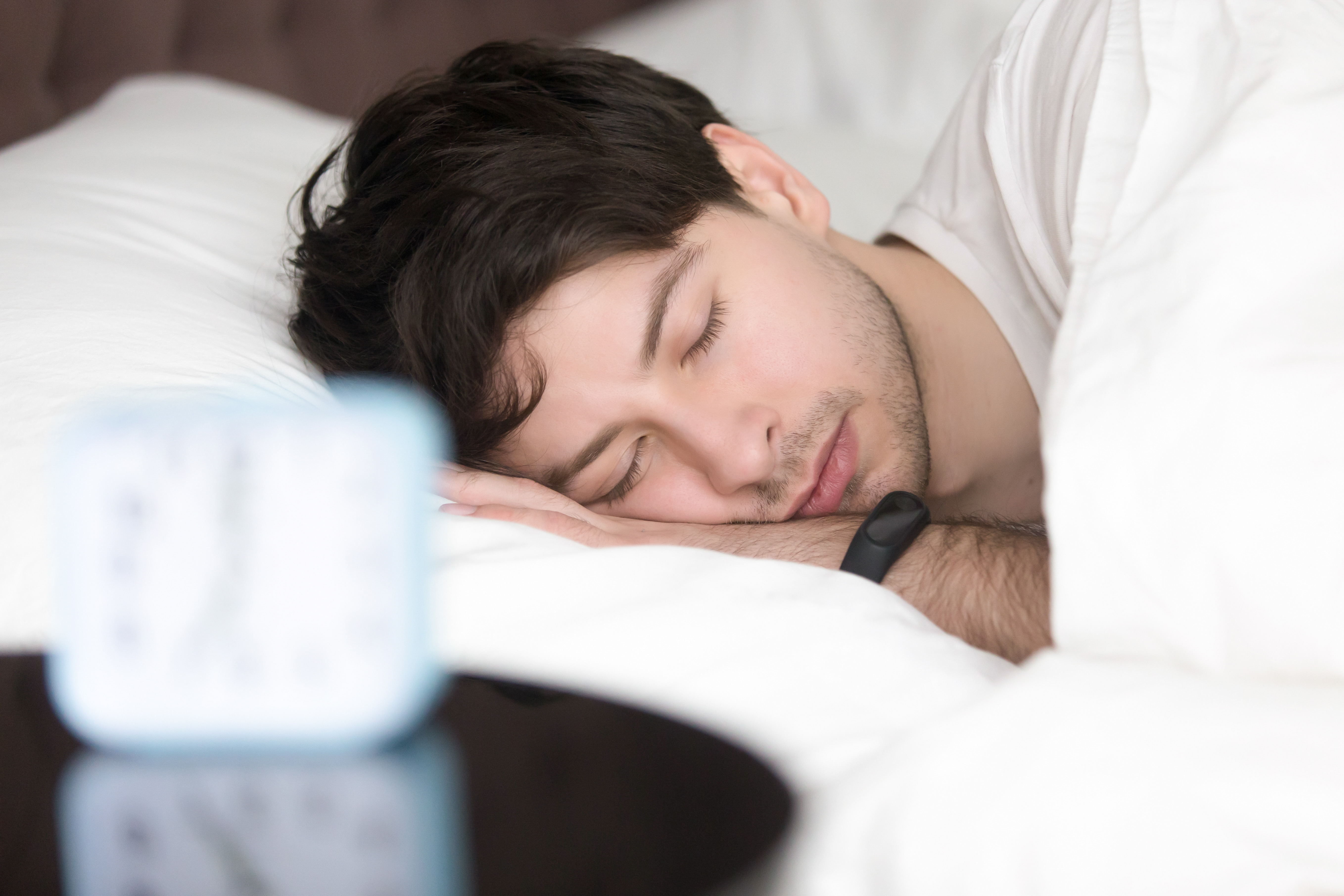
Sleep and stress are closely interconnected and influence each other all the time. Stress makes it hard to rest well, and sleep problems can increase stress and anxiety. Knowing the connection between stress and quality of sleep can help you take better care of your mental and physical well-being. Through managing stress, relaxing the mind, and developing healthy sleeping habits, sleep quality will improve naturally. Simple changes in your daily routine can stop the sleep-stress cycle. A relaxed mind can lead to better sleep. And better sleep results in an overall healthier and happier lifestyle.
Stress keeps your mind active and alert, which makes it difficult to sleep in the evening. This causes sleeplessness and disturbances. sleep.
A lack of sleep can cause the mind to become increasingly sensitive as well as emotional. This causes anxiety, stress, and anger.
At night, the distractions decrease, and the mind gets more active. The thoughts of stress come up more quickly, which can disrupt sleep.
Yes, reducing stress can help reduce stress hormones and also calm the mind, which increases sleeping quality naturally.
Yes, a peaceful and deep sleep is more essential than endless hours. Sleeping well can help the body and mind recuperate fully.

Online
English, Punjabi, Haryanvi
Couple Counseling, Marital Counselling, LGBTQ, Addiction, Depression

It's 7pm. You've been making decisions since you woke up , wh...
 27 Jun 2026 6 min Read 1.1k Reads
Think about the last time a conversation with someone you love went wrong. ...
26 Jun 2026 6 min Read 1.1k Reads 
Nobody told you your childhood was hard. That's part of the probl...
24 Jun 2026 6 min Read 1.5k Reads 
You can be surrounded by people and still feel completely alone. Most...
23 Jun 2026 6 min Read 876 Reads 
Area Of Expertise : Couple Counseling, Marital Counselling, LGBTQ, Addiction, Depression, Family Counseling, Relationship Counselling, Anger Management, Sexual Wellness, Marriage & Couple Counselling
Book a Session
Better mental health at your convince
