


Package of 5 Sessions
- Rs.5,999.00/-
Discover breathing exercises for instant anxiety relief with step-by-step techniques to calm panic, reduce stress, stop overthinking, and relax your nervous system naturally.
 Dr. Neha Mehta
  13 May 2026
  Anxiety
  827 Reads
  9 min Read
There is something available to you right now — this very second — that can slow your heart rate, lower your blood pressure, calm your nervous system, and reduce the physical intensity of anxiety within minutes. You have had it your whole life. You just haven't been using it correctly.
Your breath.
Breathing exercises for instant anxiety relief are not new-age wellness fluff. They are physiologically grounded techniques backed by decades of clinical research. When you breathe in specific patterns — particularly those that extend the exhale — you directly activate the parasympathetic nervous system, the part of your body responsible for rest, calm, and recovery.
The reason most people don't already do this isn't that it doesn't work. It's that nobody ever taught them how to breathe properly to reduce anxiety. This guide gives you seven of the most effective breathing exercises for anxiety relief — each one explained step by step, with clear guidance on when to use it.
When anxiety strikes, your sympathetic nervous system activates — the so-called fight-or-flight response. Heart rate increases, breathing becomes shallow and rapid, muscles tense, and your prefrontal cortex (rational thinking) partially goes offline.
Most bodily functions in this state are involuntary — you can't consciously slow your heart rate or redirect blood flow. But breathing is unique: it is the one autonomic function that is also under voluntary control. This is the physiological bridge that makes breath the fastest available tool for interrupting anxiety.
The vagus nerve — which runs from your brainstem to your heart, lungs, and gut — is the pathway through which controlled breathing communicates calm to your body. Slow, deep breathing stimulates the vagus nerve, which releases acetylcholine, which slows the heart rate. This is measurable, predictable, and reliable.
For a wider look at daily anxiety management, these mindfulness exercises for anxiety pair well with the techniques below to build a complete daily practice.
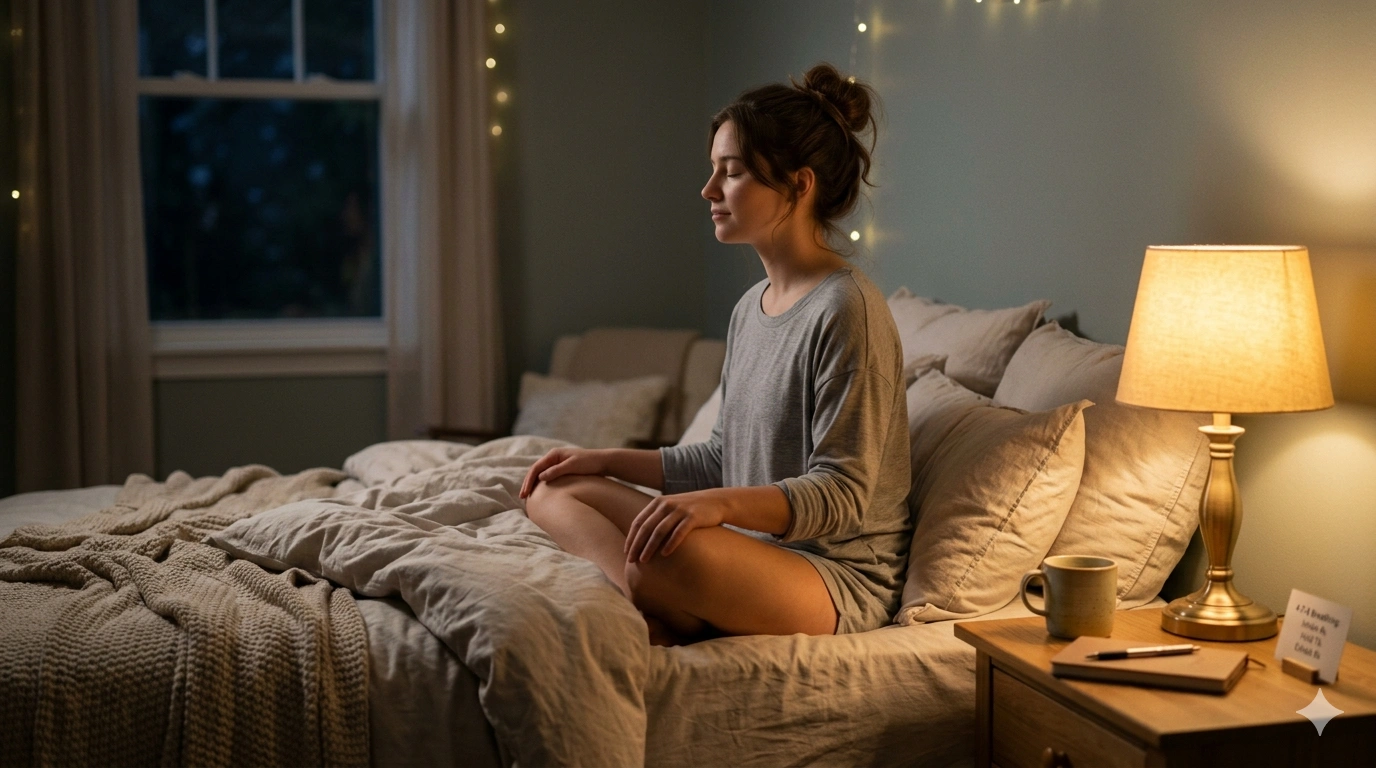
Developed by Dr. Andrew Weil and rooted in ancient pranayama for anxiety and stress, the 4-7-8 method is one of the most powerful breathing tools available for acute anxiety — and one of the best breathing techniques for anxiety you can learn today.
How to do it: Exhale completely through your mouth with a whooshing sound Close your mouth and inhale quietly through your nose for 4 counts Hold your breath for 7 counts Exhale completely through your mouth for 8 counts Repeat 4 cycles
The extended hold and long exhale are the key elements. The 7-count breath hold allows oxygen to fully saturate your bloodstream, while the 8-count exhale produces a strong parasympathetic response. Most people notice a distinct calming effect by the second or third cycle.
Best for: Pre-sleep anxiety, acute anxiety surges, and learning how to stop overthinking at night.
Box breathing — also known as square breathing — is used by military personnel, surgeons, and high-performance athletes to maintain calm under extreme pressure. It is one of the best breathing techniques for anxiety because of its simplicity and speed.
How to do it: Exhale all air from your lungs Inhale through your nose for 4 counts Hold for 4 counts Exhale through your mouth for 4 counts Hold empty for 4 counts Repeat 4–6 cycles
The equal-ratio pattern creates a steady, rhythmic regulation of the nervous system. The focus required to count also occupies the part of the brain responsible for anxious rumination — creating a double benefit. This is also one of the most reliable deep breathing exercises for panic attacks when you need to act fast.
Best for: High-stress situations, panic attack prevention, performance anxiety.
This is the simplest technique and the one most accessible to beginners. The principle is straightforward: make your exhale longer than your inhale.
How to do it: Inhale through your nose for 4 counts Exhale slowly through your mouth for 6 to 8 counts Repeat for 3–5 minutes
According to the NHS, extended exhale breathing is one of the most recommended self-help strategies for stress and anxiety, precisely because it requires no memorisation and can be done invisibly in any setting.
The long exhale is the active ingredient. It activates the parasympathetic nervous system more directly than the inhale does, signalling to your body that the threat has passed.
Best for: Everyday anxiety, public settings, office or workplace stress.
Read More: Stress relief techniques for women
Most anxious people breathe from the chest — short, shallow breaths that actually reinforce the anxiety state. Diaphragmatic breathing, or belly breathing, is one of the most fundamental breathing exercises to do at home for anxiety — and it is the foundation of learning how to breathe properly to reduce anxiety.
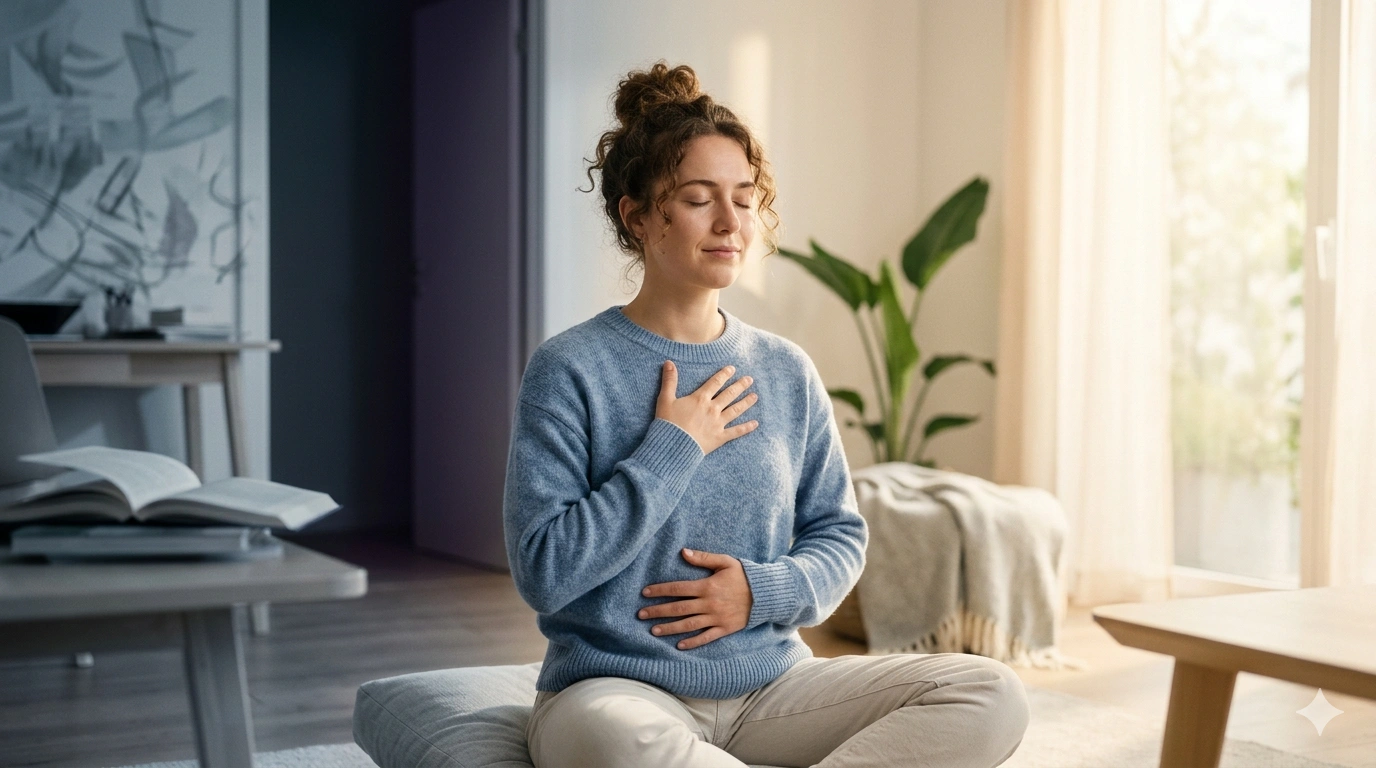
How to do it: Sit or lie comfortably. Place one hand on your chest, one on your belly. Breathe in slowly through your nose. Your belly should rise; your chest should stay relatively still. Breathe out slowly through your mouth. Your belly should fall. Continue for 5–10 minutes.
If your chest is rising more than your belly, you are chest-breathing. Practice until the belly rises consistently — this may take a few sessions to feel natural.
Best for: Daily practice, building a calmer baseline over time, general anxiety management.
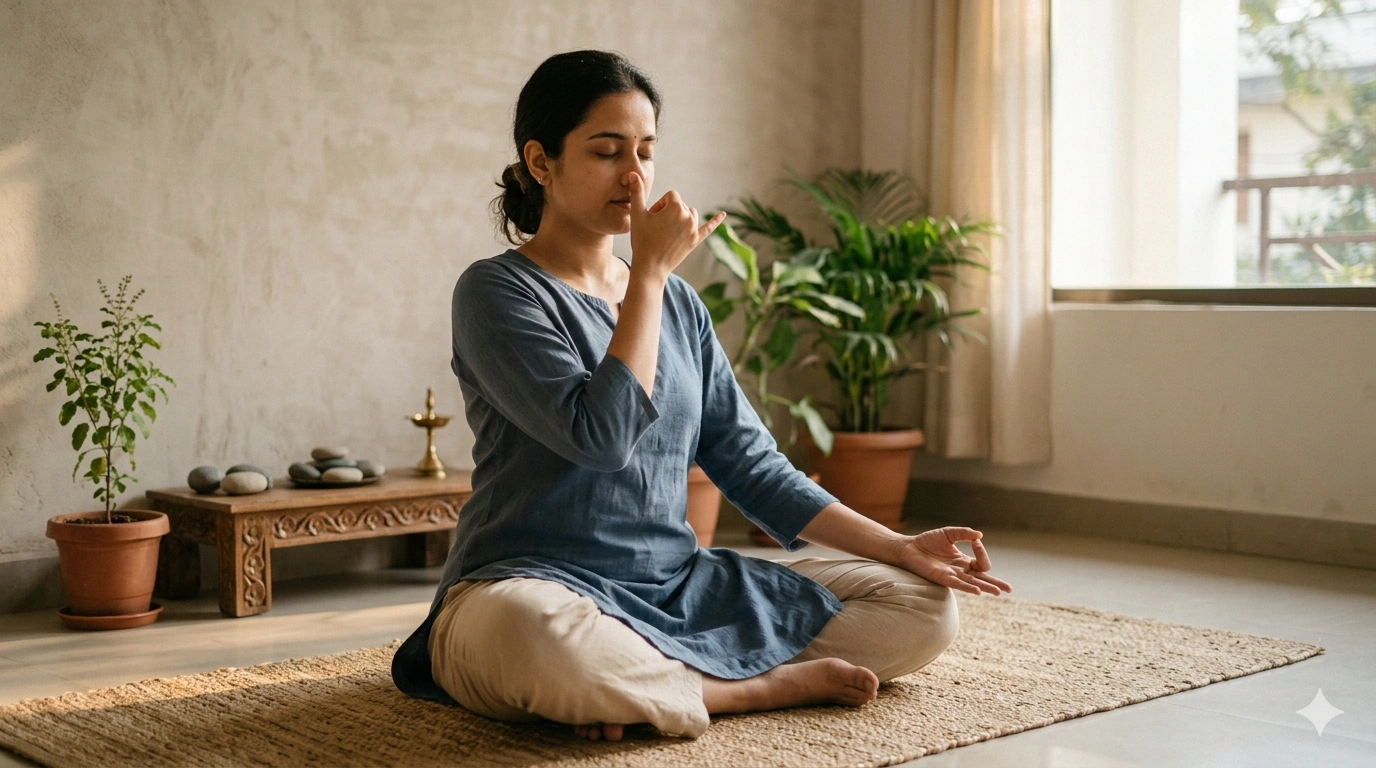
Rooted in classical pranayama practice, Nadi Shodhana is one of the most studied breathing techniques in the yoga tradition and has a growing body of clinical evidence supporting its effectiveness for anxiety and stress.
How to do it: Sit comfortably. Rest your left hand on your knee. Bring your right hand to your face. Place your index and middle fingers between your eyebrows. Close your right nostril with your thumb. Inhale through the left nostril for 4 counts. Close both nostrils. Hold for 2 counts. Release the right nostril. Exhale through it for 4 counts. Inhale through the right nostril for 4 counts. Close both. Hold for 2 counts. Release the left nostril. Exhale through it for 4 counts. This is one cycle. Complete 5–10 cycles.
Best for: Pre-meditation, reducing racing thoughts, practising pranayama for anxiety and stress management.
Resonance breathing, also called coherent breathing, involves slowing the breath to approximately 5.5 breaths per minute — which is roughly an inhale of 5.5 seconds and an exhale of 5.5 seconds.
Research published in multiple peer-reviewed journals has shown this specific breathing rate produces maximum heart rate variability (HRV) — a measure of nervous system flexibility that is directly associated with emotional resilience and reduced anxiety.
How to do it: Inhale through your nose for 5–6 counts Exhale through your nose or mouth for 5–6 counts Maintain this rhythm for 10–20 minutes daily
This technique takes more practice than the others but produces deeper, more lasting effects on baseline anxiety levels when used consistently over weeks. It is also one of the most powerful breathing exercises to do at home for anxiety on a regular basis.
Best for: Daily practice for chronic anxiety, building long-term nervous system resilience.
Discovered through Stanford neuroscience research, the physiological sigh is arguably the fastest single technique for how to use breathing to calm down fast. It is something your body does automatically when extremely stressed — a double inhale followed by a long exhale.
How to do it: Take a normal inhale through your nose At the top of the inhale, take a second, shorter sniff to fully inflate the lungs Exhale slowly and completely through your mouth Repeat 2–3 times
The double inhale re-inflates collapsed air sacs in the lungs that contribute to the CO2 buildup of anxiety. The long exhale then releases this. This is also one of the most effective deep breathing exercises for panic attacks — producing a noticeable calming effect within 1 to 2 cycles.
Best for: Emergency use, panic situations, immediate anxiety reduction in seconds.
Knowing these techniques intellectually is one thing. Having them available to you under genuine anxiety is another. The techniques work best when they are practised regularly when you are calm — not just deployed in moments of crisis.
Even 5 minutes of daily breathing exercises for anxiety relief — any one technique — begins to retrain your nervous system, gradually lowering your baseline anxiety level over weeks. Think of it as a daily deposit into your nervous system's calm reserve. This is also a highly effective strategy for anyone trying to figure out how to stop overthinking at night — practising a breathing technique before bed can significantly quiet a racing mind.
Start with one technique. Master it. Then add another. Over time, you will have a toolkit of breathing exercises for anxiety relief that work reliably when you need them most. For a broader set of daily habits to support this, read our guide on simple ways to stop anxiety that complements your breathing practice.
Breathing exercises are powerful and evidence-based. But they manage the symptoms of anxiety — the acute physiological response — rather than addressing the underlying thought patterns, beliefs, and triggers that generate anxiety in the first place.
If your anxiety is frequent, severe, or significantly affecting your daily life — your relationships, your work, your sleep, your ability to enjoy things — self-help techniques will provide only partial relief. You deserve something more complete. Reading about the common mistakes people make with anxiety is a useful companion step to ensure you are not unknowingly making the anxiety worse.
At My Fit Brain, our therapists offer Online Therapy to Stop Overthinking and anxiety-related thought loops — helping you address the root patterns rather than just managing the symptoms in the moment.
Your breath is always with you. It is free, invisible, and available in any situation — in a meeting, on a bus, lying in bed at 2 a.m. Learning how to breathe properly to reduce anxiety is one of the highest-return investments you can make in your mental wellbeing.
Start today with one technique. Try the physiological sigh right now if you like — two inhales, one long exhale. Notice what shifts.
And if anxiety is running your life rather than just visiting occasionally, please don't face it alone. Book a session through Online Anxiety Therapy India at My Fit Brain — evidence-based, confidential, and accessible from anywhere in India.
Techniques like the physiological sigh and box breathing can produce a noticeable reduction in heart rate and physical anxiety symptoms within 1 to 3 minutes. The extended exhale technique typically produces a calming effect within 3 to 5 minutes. Deeper techniques like resonance breathing show cumulative effects over days and weeks of regular practice — so while they are powerful long-term tools, don't judge them by a single session.
Yes. Controlled breathing is one of the most effective interventions during a panic attack, specifically because it directly addresses the hyperventilation that intensifies panic symptoms. The extended exhale and box breathing are most recommended during a panic episode. The key is to have practised the technique before the panic hits — trying to learn it in the middle of a panic attack is difficult. Consistent daily practice makes it available to you under pressure.
Morning practice is ideal for setting a calm tone for the day and building a consistent habit. Nighttime practice — particularly the 4-7-8 technique — is highly effective for sleep-related anxiety and how to stop overthinking at night. That said, any time is better than no time. Even a few minutes during a lunch break or before a stressful event produces measurable benefits.
For most techniques, 5 to 20 minutes daily is the recommended range. Very extended practice of certain techniques (particularly breath-holding patterns) without proper guidance is not recommended. If you feel dizzy, lightheaded, or experience tingling during any technique, stop and return to normal breathing. These sensations are typically caused by CO2 level changes and are harmless, but they indicate you should slow down the practice.
Gentle breathing techniques like belly breathing and the extended exhale are safe for virtually everyone. Techniques involving breath holds (4-7-8, box breathing) should be approached more cautiously by people with respiratory conditions, cardiovascular issues, or who are pregnant. If you have any significant health conditions, check with your doctor before beginning an intensive breathing practice. For most healthy adults, these techniques are not only safe but actively beneficial.
Online
English, Punjabi, Haryanvi
Couple Counseling, Marital Counselling, LGBTQ, Addiction, Depression
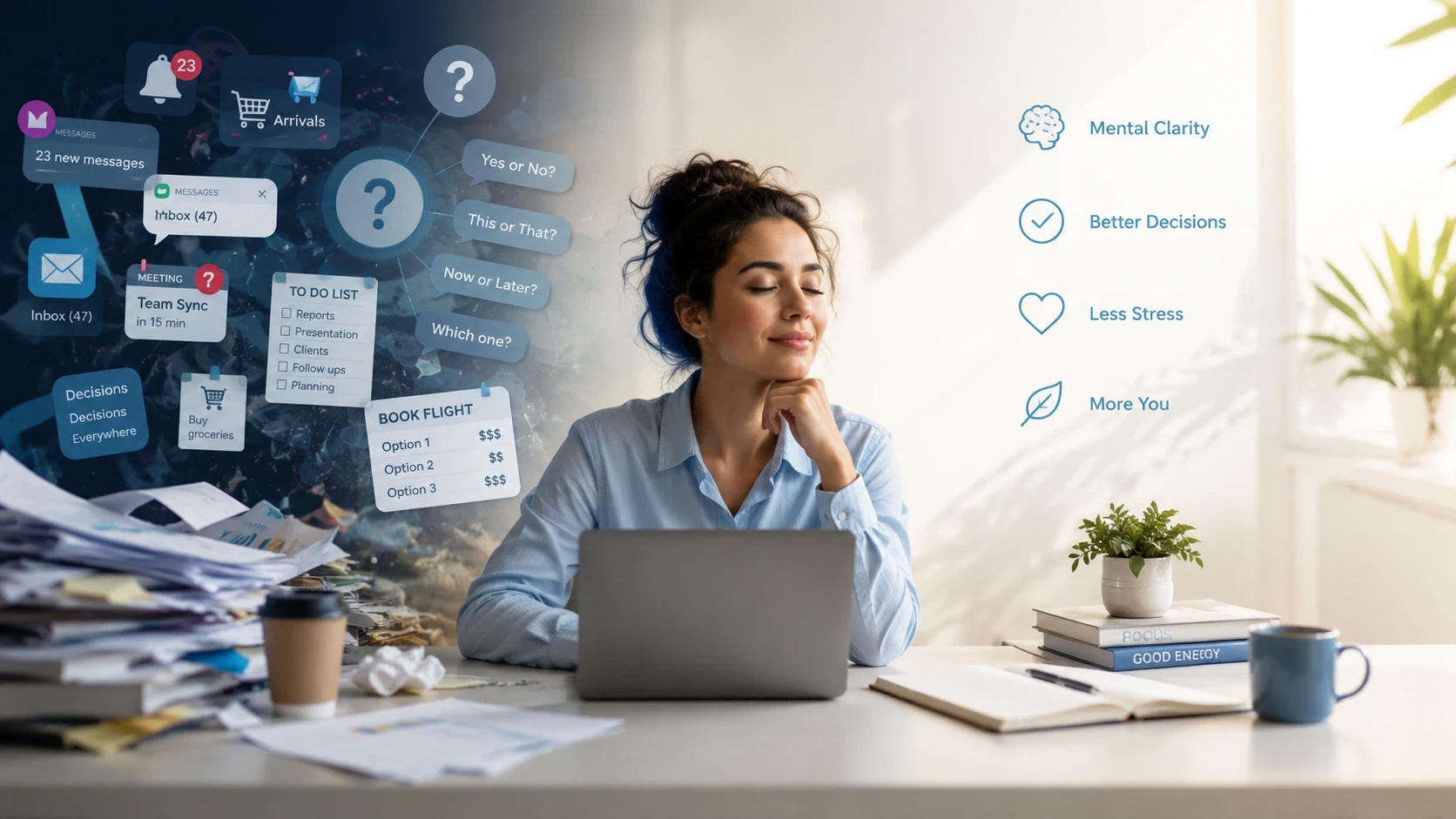
It's 7pm. You've been making decisions since you woke up , wh...
 27 Jun 2026 9 min Read 1.1k Reads
Think about the last time a conversation with someone you love went wrong. ...
26 Jun 2026 9 min Read 1.1k Reads 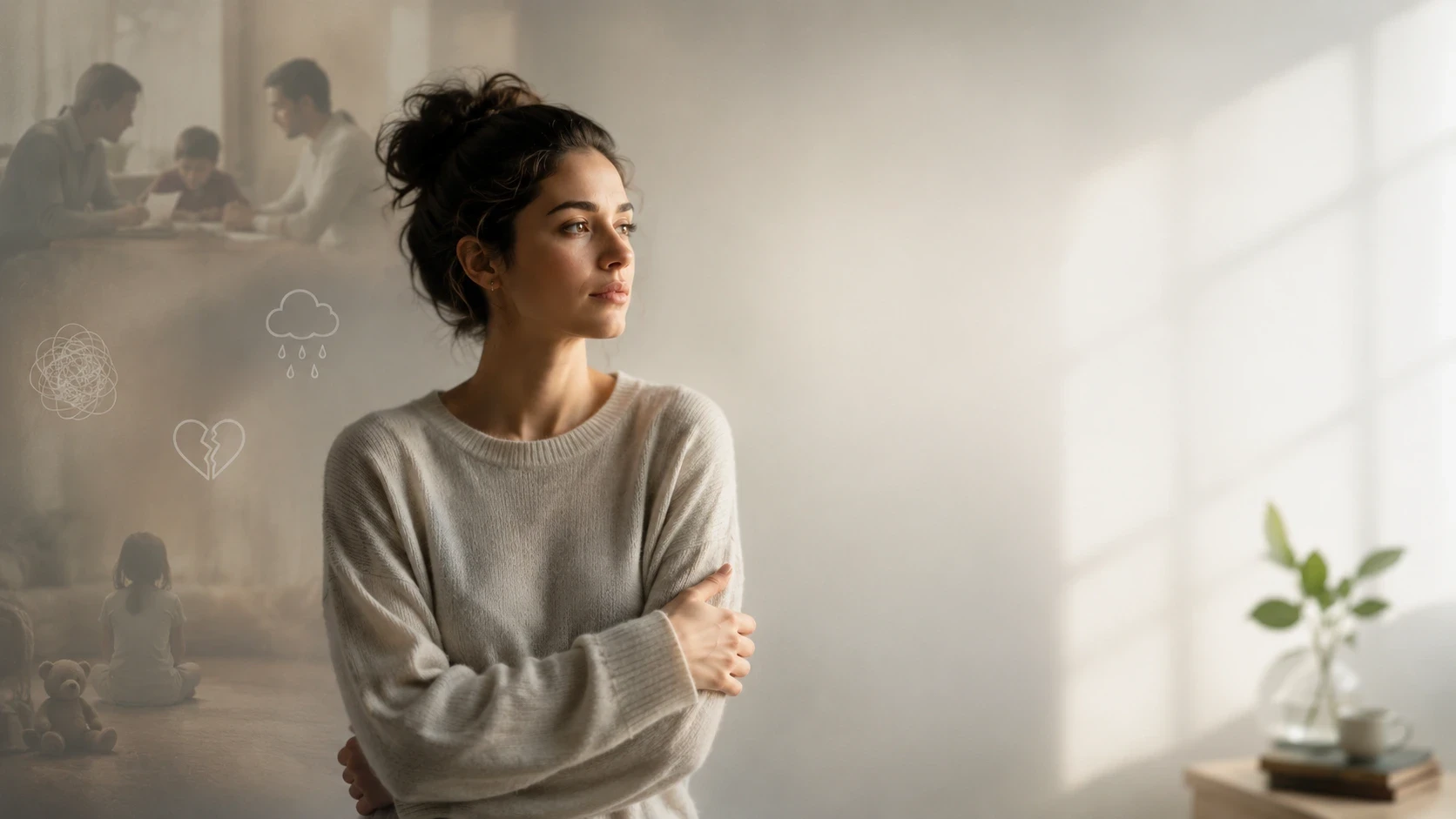
Nobody told you your childhood was hard. That's part of the probl...
24 Jun 2026 9 min Read 1.5k Reads 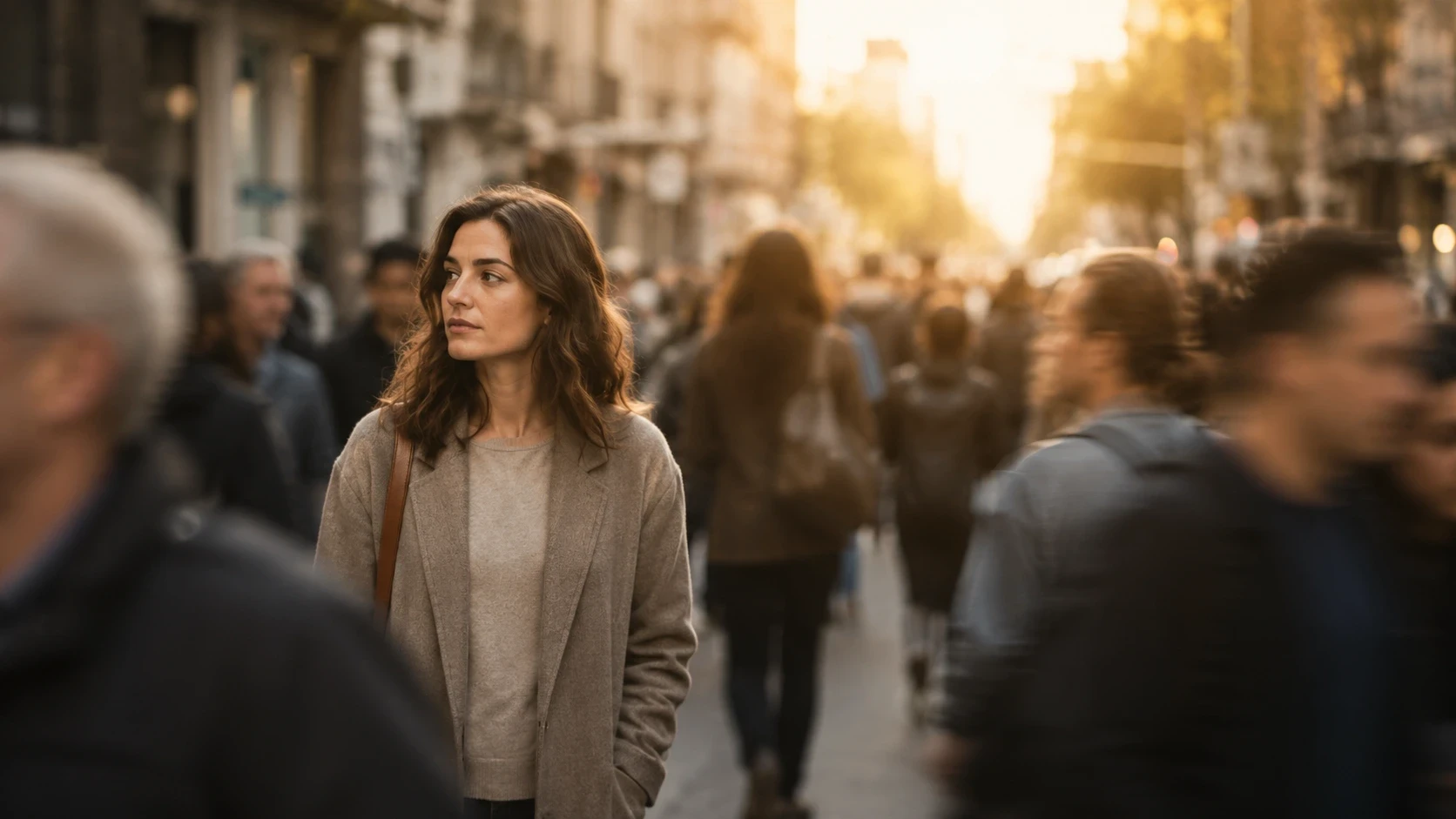
You can be surrounded by people and still feel completely alone. Most...
23 Jun 2026 9 min Read 874 Reads 
Area Of Expertise : Couple Counseling, Marital Counselling, LGBTQ, Addiction, Depression, Family Counseling, Relationship Counselling, Anger Management, Sexual Wellness, Marriage & Couple Counselling
Book a Session
Better mental health at your convince
