


Package of 5 Sessions
- Rs.5,999.00/-
Discover simple mindfulness exercises for anxiety that help reduce daily stress, calm your mind, and improve emotional balance naturally.
 Dr. Neha Mehta
  07 Feb 2026
  Anxiety
  800 Reads
  6 min Read
Stress is now normal in modern times. small anxieties about work, family, financial, health, or the future gradually grow and can make the mind agitated. Many people experience anxiety without knowing the precise reason. The mind is constantly contemplating and worrying, even when there isn't any threat to the real world.
This article provides mindfulness mindfulness exercises for anxiety that can help reduce anxiety during the day in simple and easy language. These mindfulness exercises for anxiety are simple and safe to be done by anyone. Even the most novice of students can learn and follow the exercises without confusion.
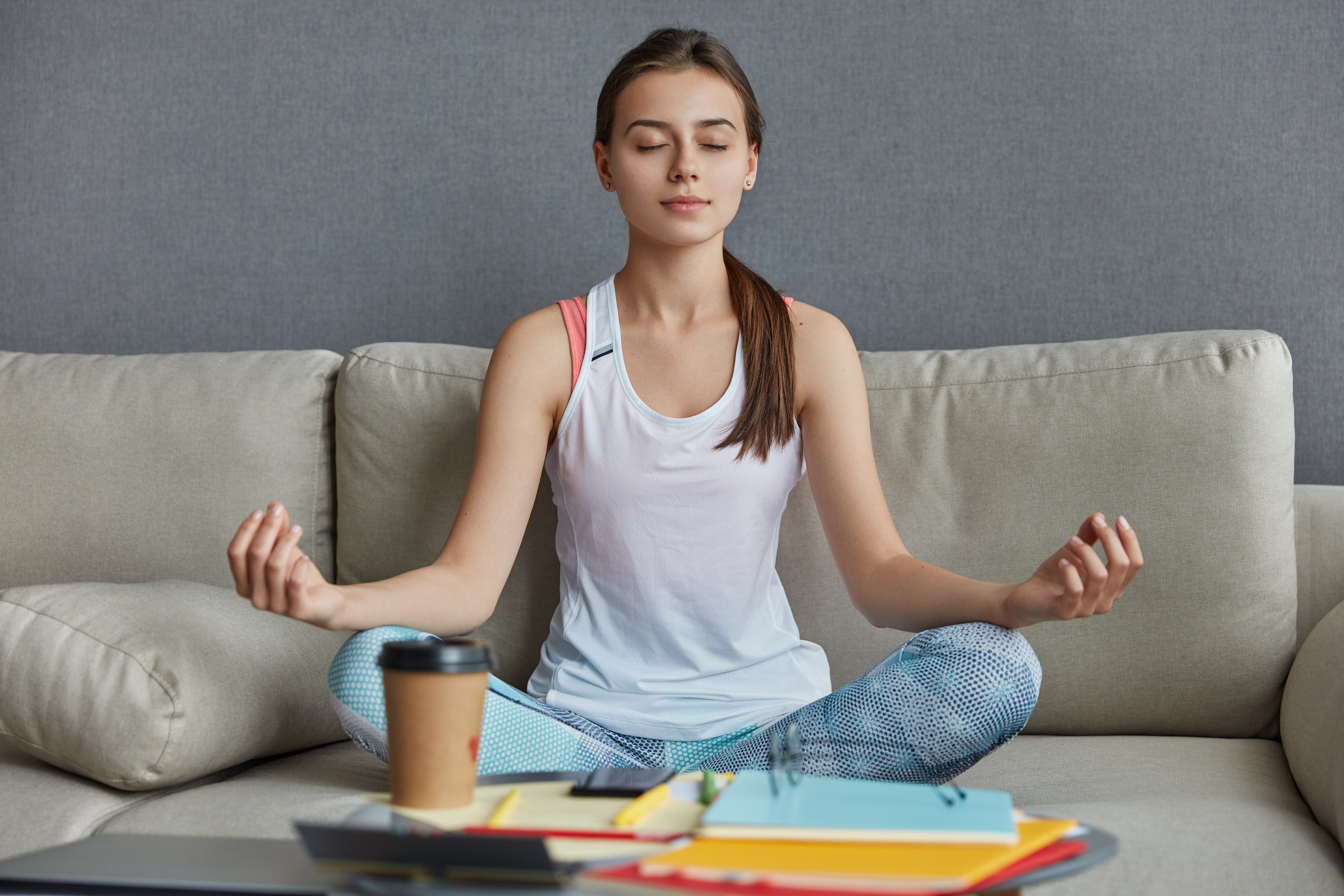
Anxiety can be described as a feeling of tension, fear, or a sense of nervousness. Everyday anxiety is feeling anxious every day about ordinary circumstances in your life. The mind is constantly alert, which can cause mental fatigue.
When anxiety becomes a daily occurrence and constant, it can affect sleep, concentration, mood, as well as emotional health. This is the reason why learning techniques to manage mindfulness and reduce anxiety throughout the day is crucial to maintain mental peace.
Mindfulness refers to being completely present in the present moment. It's about paying attention to what you are feeling, doing, and breathing, without thinking about your own thoughts or actions.
Mindfulness can help with anxiety because it usually results from focusing on the future or the past. Mindfulness training can bring the focus back on the present, which reduces anxiety. This is the reason mindfulness exercises for anxiety can be so beneficial.
Mindfulness can calm the nervous system. It calms racing thoughts and helps relax the body. When your mind is relaxed in its surroundings, worry decreases immediately.
Regularly practicing mindfulness exercises for anxiety assists in training the brain to react calmly instead of reacting in fear.
The practice of mindful breathing is the simplest and most effective mindfulness practice. It helps you focus on your breath.
What to do:
This workout is a great way to relax your mind, and it is considered to be one of the most effective practices for mindfulness to ease the stress of daily life.
The body scan can help you be aware of the physical tension caused by anxiety. As your body relaxes, the mind also relaxes.
How to accomplish it:
This is a potent method of mindfulness exercises for anxiety and increase the connection between mind and body.
Instead of battling anxious thoughts, instead of fighting them, mindfulness helps you take note of them.
Do this by:
The exercise will help you realize that thoughts are not permanent. It is an essential element of meditation mindfulness exercises for anxiety to help you lower anxiety levels.
Grounding assists in bringing the mind back to the present moment by using the senses.
It is possible to do this by noting:
This is among the most efficient methods for reducing anxiety daily.
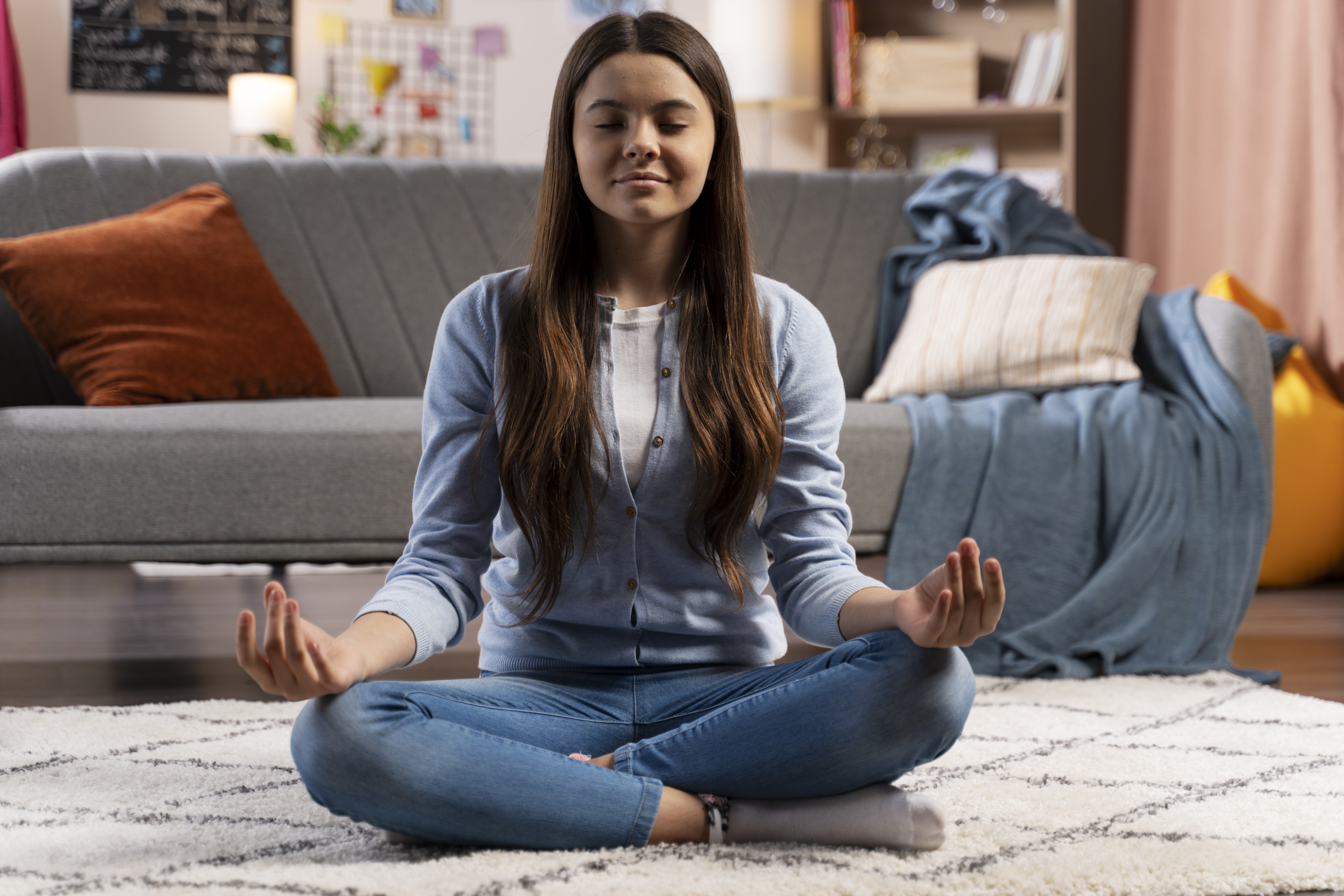
Mindful walking is a way to combine movement and awareness. It assists in releasing anxious energy from the body.
Practice:
This simple habit helps meditation exercises that help lower anxiety levels and increase mental clarity.
Mindfulness meditation helps the mind to be at peace even in stressful situations.
The fundamental practice:
This is a potent mindfulness practice for anxiety and increases emotional stability.
Mindful eating can reduce anxiety through calming the mind.
Practice with:
This simple habit increases awareness and helps to support natural methods to decrease anxiety.
The focus of gratitude shifts away from anxiety and worry.
Daily practice of gratitude:
This improves emotional equilibrium and aids in meditation exercises that lower anxiety levels.
Writing down thoughts helps relieve stress from your mind.
Write about
Journaling with your mind is one of the most effective ways to relax your mind.
Mindfulness helps you accept your situation instead of resisting. Afraid makes you stronger.
Mindful acceptance refers to:
This is the most important element of mindfulness exercises designed to help lower the stress of daily life.
A few minutes of mindfulness practice can help; however, regular practice will bring an ongoing transformation. Mindfulness is learned through repetition.
Daily exercise:
Consistency is what makes mindfulness exercises that reduce anxiety throughout the day really efficient.
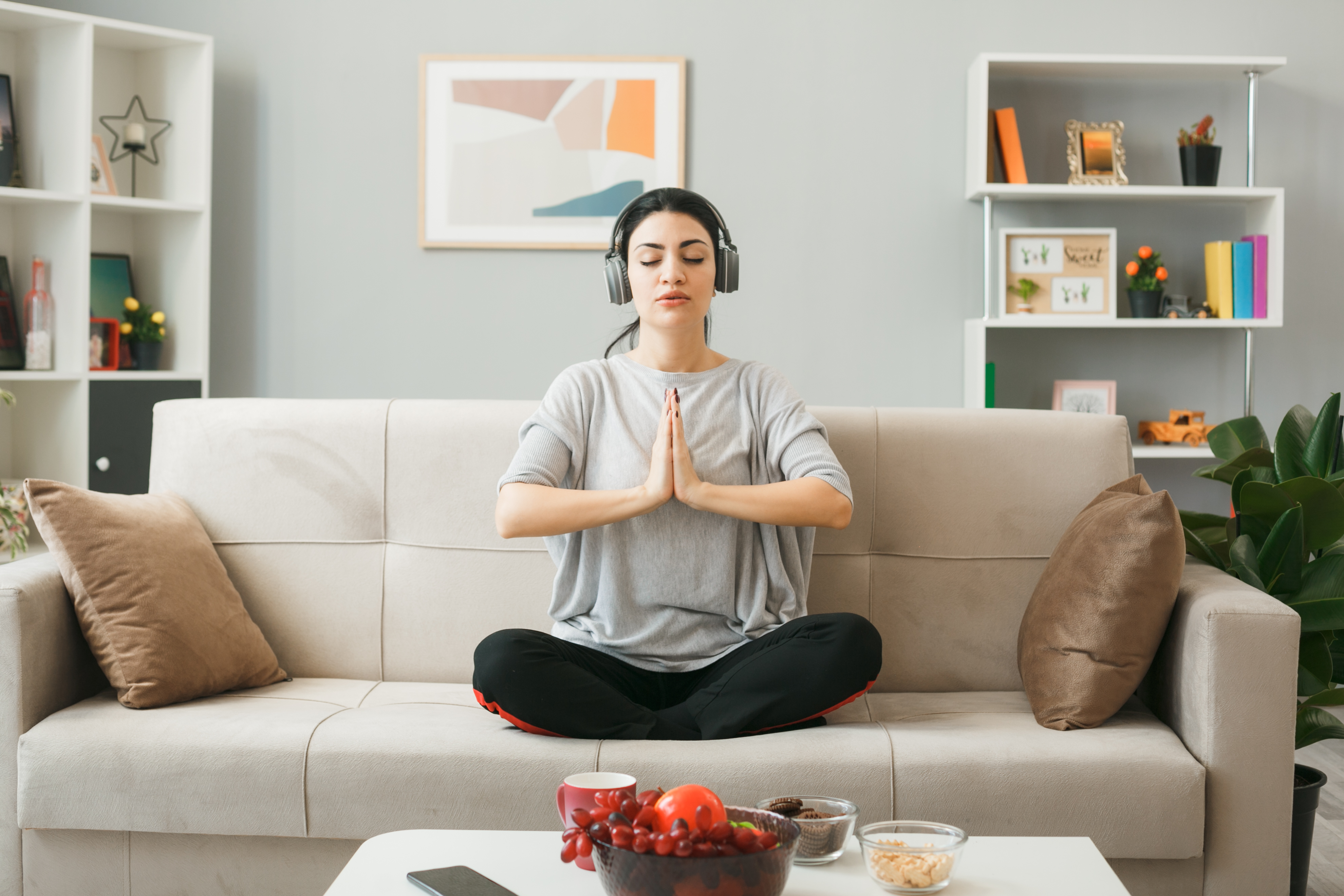
Many people feel relaxed instantly, while others experience changes after a couple of weeks. Every person's mind is unique.
Through regular practice, mindfulness gradually changes the brain's wiring and decreases anxiety naturally.
Anxiety and stress can make your life seem a bit heavy and exhausting. However, it doesn't need to be a factor in your life. Engaging in mindful exercises designed to lessen daily stress helps to calm the mind, ease tension in the body, and improve the balance of your emotions. These exercises are easy and natural. They are safe for all. Simple daily routines like mindfulness and meditation can lead to large shifts in time. Mindfulness can help you be present, not worrying about the next. With perseverance and persistence, mental peace will become an integral part of everyday life.
The truth is that mindfulness practices can calm the nervous system and can reduce the tendency to think too much. When you practice regularly, anxiety is less overwhelming and manageable.
A few minutes every day are enough to get started. It is more important to be consistent than to have lengthy sessions of practice.
The mindfulness exercises are safe and natural. They don't require any drugs and are suitable for everyone of all ages.
Yes, mindfulness can bring attention to the present that reduces the need to think and unnecessary worry.
Certain people experience a sense of calm immediately, and others experience improvements after a few weeks. Regular practice brings lasting results.

Online
English, Punjabi, Haryanvi
Couple Counseling, Marital Counselling, LGBTQ, Addiction, Depression
It's 7pm. You've been making decisions since you woke up , wh...
 27 Jun 2026 6 min Read 1.1k Reads
Think about the last time a conversation with someone you love went wrong. ...
26 Jun 2026 6 min Read 1.1k Reads 
Nobody told you your childhood was hard. That's part of the probl...
24 Jun 2026 6 min Read 1.5k Reads 
You can be surrounded by people and still feel completely alone. Most...
23 Jun 2026 6 min Read 874 Reads 
Area Of Expertise : Couple Counseling, Marital Counselling, LGBTQ, Addiction, Depression, Family Counseling, Relationship Counselling, Anger Management, Sexual Wellness, Marriage & Couple Counselling
Book a Session
Better mental health at your convince
