


Package of 5 Sessions
- Rs.5,999.00/-
Online Anxiety Therapy India helps reduce stress, rebuild intimacy, improve emotional connection, and restore mental calm.
 Dr. Neha Mehta
  20 May 2026
  Anxiety
  544 Reads
  6 min Read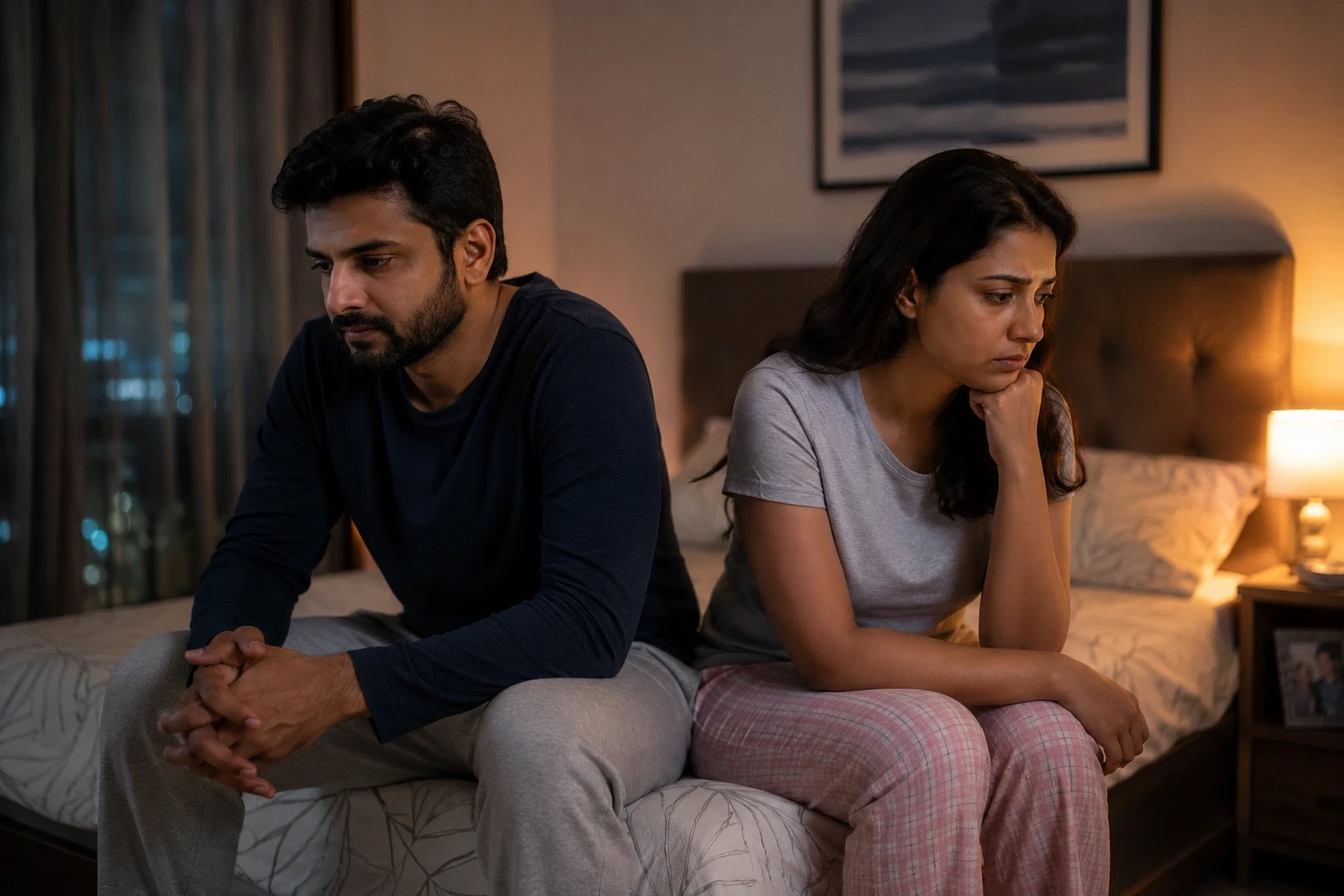
You lie next to your partner, and your mind won't stop. The unfinished work email. The thing your mother said three days ago. The vague worry you can't even name. Your partner reaches over, and you feel nothing — not because the love is gone, but because your nervous system has no capacity left.
This is the link most people miss. Anxiety doesn't just damage your mood. It quietly hollows out your intimate life. Online Anxiety Therapy India sessions have become one of the fastest-growing forms of mental health support in the country precisely because more people are finally seeing this connection.
Most people imagine anxiety as racing thoughts. That's only half the picture.
Anxiety shows up in the body — tight chest, shallow breathing, clenched jaw, a stomach that won't settle. It shows up in behaviour — checking the phone every five minutes, snapping at small things, avoiding decisions. It shows up in relationships — withdrawing, picking fights, reading neutral comments as criticism.
Once anxiety crosses into the body and the relationship, willpower stops being useful. That's the point where therapy starts mattering.
Anxiety affecting intimacy is one of the most under-discussed issues in Indian relationships.
A partner with high anxiety often:
None of this is about love. It's about a nervous system running too hot to allow closeness. Anxiety affecting intimacy doesn't get solved by trying harder or planning more date nights — it needs the actual anxiety addressed first.
Read More: How to Calm Anxiety Fast
Overthinking in relationships is one of the most quietly destructive patterns therapists see.
You replay a conversation from this morning. You wonder if his tone meant something. You catastrophise about her quietness at dinner. You build a whole emotional storyline about a partner who is, often, just tired.
Overthinking in relationships rarely makes the relationship better. It makes the anxious partner more reactive and the other partner more confused. Practical tools for stopping overthinking at night are useful first aid, but the deeper loop usually needs structured therapy to unhook.
_1779345410.webp)
A first session is rarely about deep trauma work. It's about mapping the daily anxiety landscape.
A typical structure:
Online mental health counselling delivered this way works particularly well for working professionals who can't make weekly clinic visits. A 45-minute session before work or after the kids sleep is realistic in a way that an in-person appointment usually isn't.
Read More: Early Signs of Emotional Burnout in Young Adults
Stress and relationship problems share a feedback loop most couples never name.
Chronic stress raises cortisol, which suppresses libido. It shortens sleep, which raises irritability. It tightens the body, which reduces physical affection. It floods the brain with worst-case scenarios, which makes the partner feel watched and judged. By the time the couple notices something is wrong, stress and relationship problems have entangled into one knot.
According to the World Health Organization on anxiety disorders, anxiety affects roughly 4% of the global population — and untreated anxiety significantly impacts work, relationships, and physical health. The Indian numbers are higher, and the treatment gap is wider, largely because stigma still blocks most people from seeking help.
Here's the paradox: anxious people often avoid in-person therapy because the very act of going to a clinic spikes their anxiety. The traffic. The waiting room. The fear of running into someone they know. The pressure of being "on" face-to-face.
Online removes most of those triggers. You log in from your bedroom. You can have water nearby. You can keep video off on a tough day. You can do real therapeutic work without the pre-session dread that keeps so many people from booking in the first place.
Mindfulness tools that reduce daily anxiety work even better when paired with regular online therapy — because the consistency is finally achievable. That's what changes outcomes.
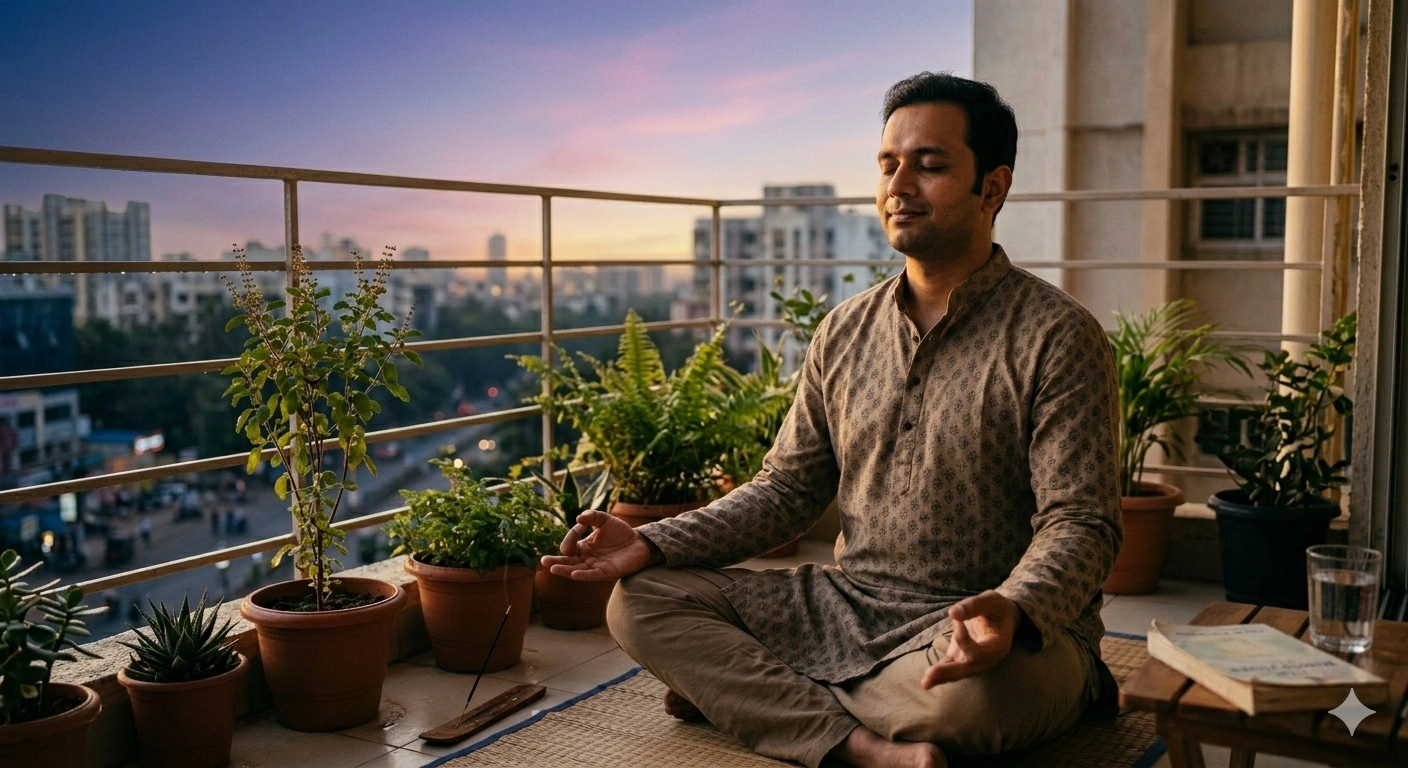
Recovery from anxiety isn't the absence of stress. It's a different relationship with it.
A person who has done good therapy work notices anxious thoughts arriving without believing every one of them. They feel the body tighten and know how to reset it. They communicate distress to their partner directly instead of acting it out through silence or snapping. They sleep better. They want closeness again — because the nervous system has the bandwidth to feel safe.
Emotional burnout in couples often lifts as one partner's anxiety lifts. Intimacy doesn't return through grand gestures. It returns when the body finally feels safe enough to soften. Emotional burnout in couples almost always traces back to one or both partners running on chronic stress they never named — and therapy is where the naming starts.
Most people who book Online Anxiety Therapy India sessions have already lived with the anxiety for years. They've tried distraction. They've tried "thinking positive." They've tried staying busy. None of it touches the actual loop.
If anxiety is leaking into your intimate life — the bedroom, the daily conversations, the silences — that's the signal. Online mental health counselling makes the help accessible without the friction of stepping into a clinic. Book one session, see how it feels, and let the body do its own quiet recalibration from there.
For mild-to-moderate anxiety, therapy alone often works. For severe anxiety, therapy and medication together produce the strongest outcomes. A trained therapist will guide that call based on your situation.
Most people feel small shifts within three to four sessions — better sleep, lower reactivity, easier conversations. Deeper change builds over several months.
Weekly is ideal in the first phase. Once the patterns settle, fortnightly maintenance works well for most people in the longer run.
Not necessarily. Individual work often improves the relationship dynamic on its own. Joint sessions become useful later, especially when anxiety has been driving repeated conflicts.
For anxiety specifically, yes — and often more so, because the format removes the pre-session triggers that stop many people from attending in-person sessions consistently over months.

Online
English, Punjabi, Haryanvi
Couple Counseling, Marital Counselling, LGBTQ, Addiction, Depression
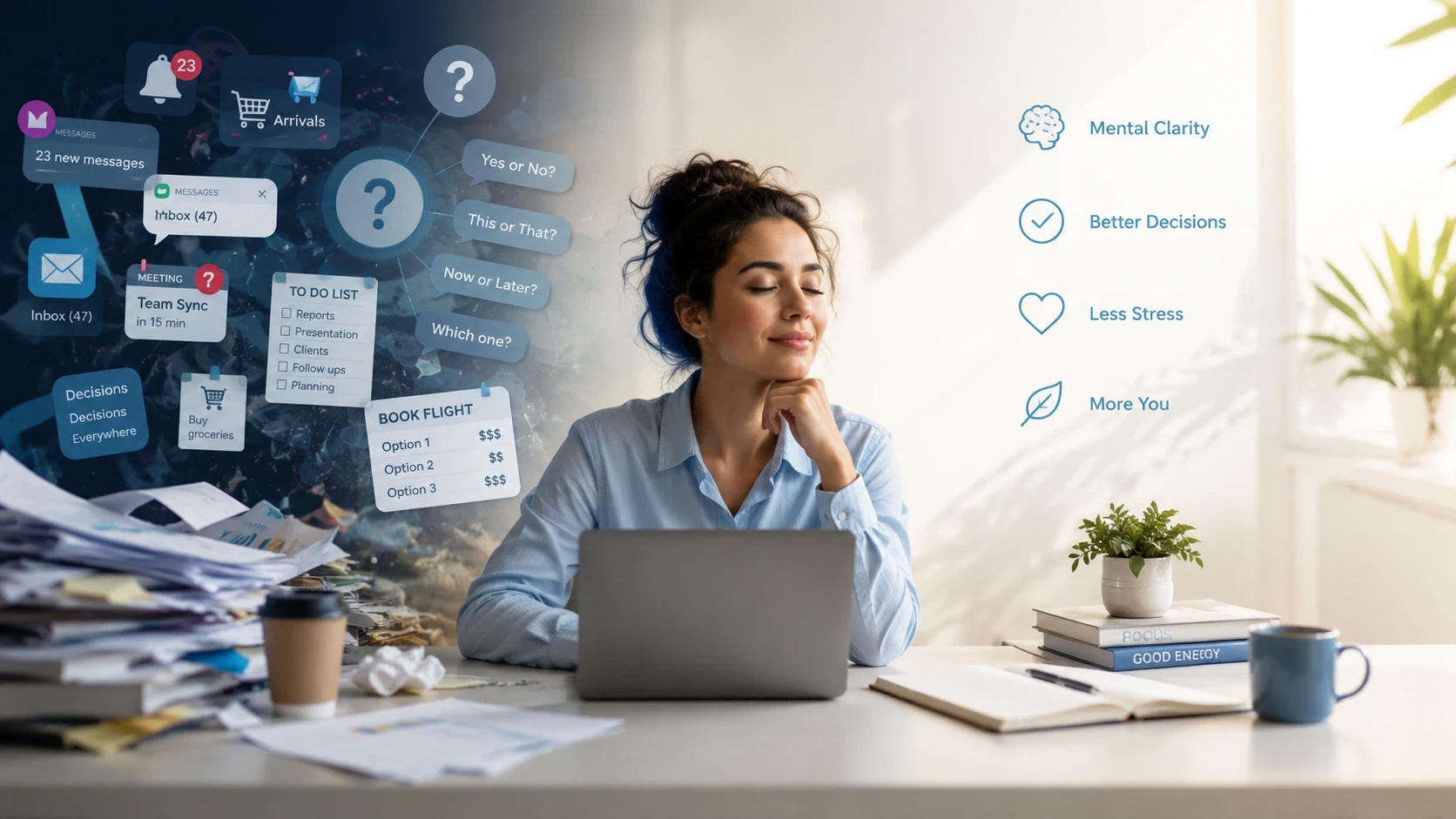
It's 7pm. You've been making decisions since you woke up , wh...
 27 Jun 2026 6 min Read 1.1k Reads
Think about the last time a conversation with someone you love went wrong. ...
26 Jun 2026 6 min Read 1.1k Reads 
Nobody told you your childhood was hard. That's part of the probl...
24 Jun 2026 6 min Read 1.5k Reads 
You can be surrounded by people and still feel completely alone. Most...
23 Jun 2026 6 min Read 874 Reads 
Area Of Expertise : Couple Counseling, Marital Counselling, LGBTQ, Addiction, Depression, Family Counseling, Relationship Counselling, Anger Management, Sexual Wellness, Marriage & Couple Counselling
Book a Session
Better mental health at your convince
